

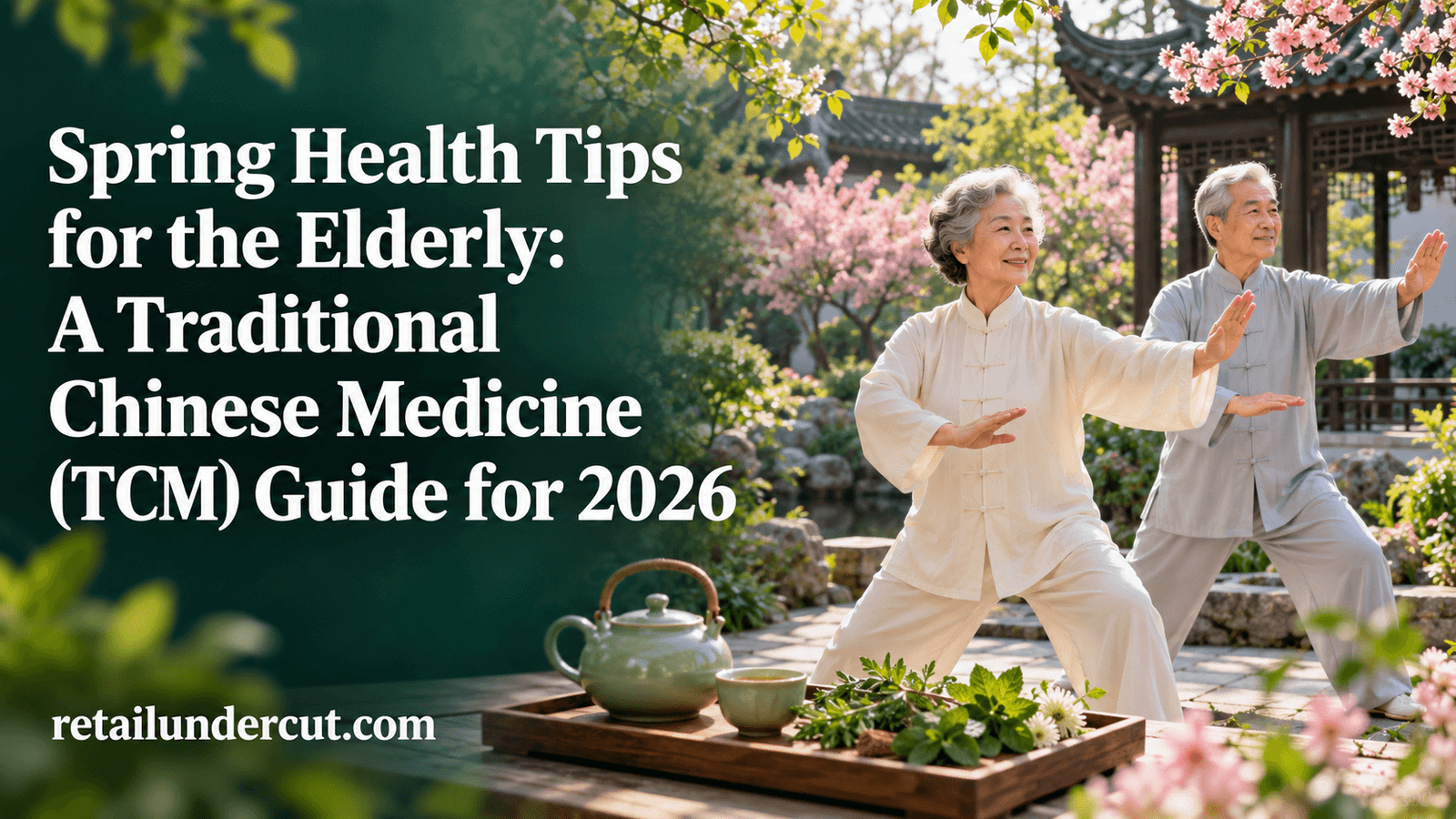
Spring health tips for elderly adults look different through the lens of Traditional Chinese Medicine (TCM), which treats the change of season as a genuine physiological shift rather than just a change in weather. For older adults especially, spring’s swinging temperatures, disrupted sleep, and the body’s slow return to activity after winter can affect energy, joints, mood, and immunity in ways that are easy to overlook. This guide walks through what TCM says is happening in the body each spring, and the specific, gentle habits, dietary, herbal, and lifestyle, that support older adults and their caregivers through the transition.
In TCM philosophy, every season is linked to one of the Five Elements, an organ system, and a type of energy flow. Spring belongs to the Wood element, which governs the Liver and Gallbladder. The Liver, in TCM terms, is not just the physical organ — it’s considered the body’s chief regulator of Qi (vital energy) flow, blood storage, tendons, ligaments, and even emotional balance, particularly anger and frustration.
After a long winter of conserving energy (a season linked to the Water element and the Kidneys), the body is expected to “wake up” in spring the way trees push out new leaves. For younger, healthier adults, this transition tends to happen fairly smoothly. But for elderly individuals — especially those managing arthritis, high blood pressure, reduced circulation, or chronic fatigue — this sudden shift in energy demand can trigger stiffness, mood swings, allergy flare-ups, and disrupted sleep.
Understanding this framework is the first step toward using TCM-inspired habits meaningfully rather than randomly. The goal in spring, according to TCM, is threefold: support the Liver, keep Qi and blood flowing smoothly, and avoid overexertion or sudden shocks to the system (whether physical, dietary, or emotional).
Before diving into tips, it helps to understand what specifically tends to go wrong for seniors during this season:
None of these are exclusive to TCM thinking — Western geriatric medicine recognizes similar seasonal patterns — but TCM offers a structured, centuries-old toolkit for addressing them gently and holistically.
Another core idea in TCM that’s especially relevant for older adults is body constitution — the belief that each person leans toward a particular balance of Yin (cooling, nourishing, restorative energy) and Yang (warming, active, energizing energy). Many seniors, as they age, naturally shift toward a Yin-deficient or Qi-deficient constitution, which can show up as feeling cold easily, fatigue that doesn’t improve with rest, dry skin, or a weaker appetite.
This matters in spring because generic seasonal advice doesn’t fit everyone equally. Someone with a “cold” constitution may need warmer, more nourishing foods even during spring’s warming trend, while someone who runs “hot” or tends toward high blood pressure may do better emphasizing the cooling, calming teas and lighter foods described above. If possible, a short consultation with a licensed TCM practitioner or integrative doctor can help identify which adjustments matter most for your specific constitution, rather than applying every tip equally.
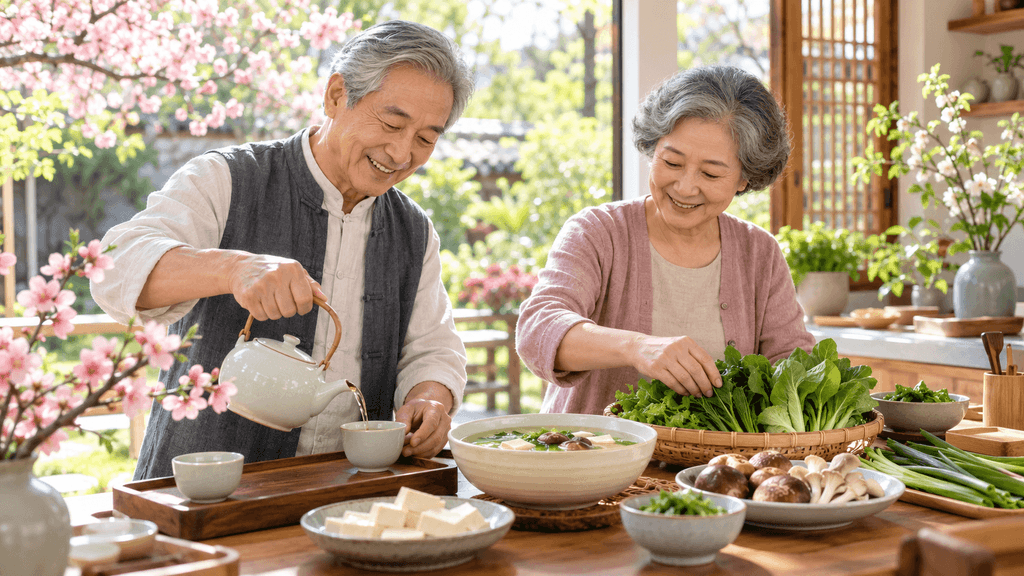
TCM dietary therapy for spring emphasizes reducing heavy, greasy, and overly salty winter foods in favor of lighter, fresh, and slightly sour flavors that are believed to nourish the Liver. Practical choices for seniors include:
Portion control matters too — TCM generally recommends eating until about 70–80% full, a principle that aligns well with modern advice for managing weight and blood sugar in older age.
Herbal teas are one of the gentlest ways seniors can incorporate TCM principles into daily life. Some of the most commonly recommended options for spring include:
These teas are generally considered low-risk, but seniors on blood thinners, diuretics, or blood pressure medication should check with a doctor or pharmacist first, since even “natural” herbs can interact with prescriptions.
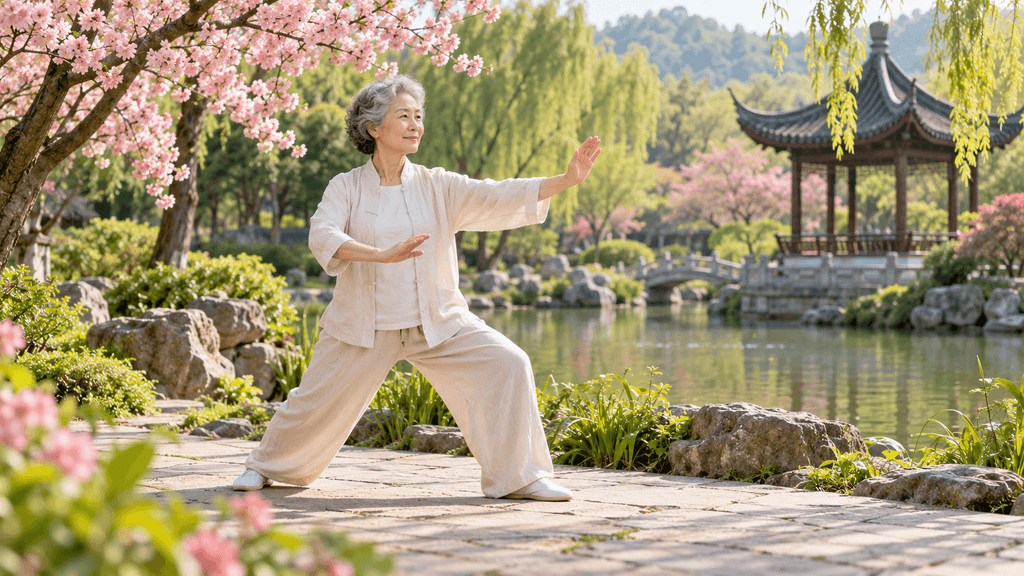
If there’s one practice most closely associated with healthy aging in Chinese medicine, it’s Tai Chi. Slow, flowing, weight-shifting movements improve balance, joint mobility, and circulation without the impact risk of higher-intensity exercise. Qigong breathing exercises are often paired with Tai Chi to support Qi flow and reduce stress.
For seniors just starting out, 10–15 minutes a day is a realistic goal, ideally outdoors in the morning when possible, since TCM associates morning Wood-element energy with gentle activation of the body. Community centers and senior wellness programs increasingly offer beginner Tai Chi classes specifically designed around fall-prevention and joint safety.
For those who prefer to build a simple home routine around movement, having a few basic, low-impact tools on hand can help extend a Tai Chi or stretching practice into light resistance work. This guide to budget-friendly home gym equipment is a useful starting point for seniors who want to add gentle strength training without overspending or overcomplicating their space.
While acupuncture requires a licensed practitioner, acupressure — applying gentle finger pressure to the same points — is something older adults can safely practice at home:
A few minutes of gentle circular pressure on these points, once or twice daily, is generally considered low-risk for most seniors, though those with skin conditions, severe osteoporosis near the pressure site, or blood clotting concerns should ask a healthcare provider first.
One of TCM’s more distinctive ideas is the direct link between the Liver and emotional regulation — particularly frustration, irritability, and anger. Spring is considered the season when these emotions are most likely to surface if Liver Qi becomes “stagnant.”
Practical, low-effort ways seniors can support emotional balance in spring include:
TCM classical texts recommend going to bed slightly later and waking slightly earlier in spring compared to winter, to align with the longer daylight hours and rising Yang energy. For seniors, this doesn’t need to be dramatic — even shifting bedtime by 20–30 minutes and getting natural morning light exposure can help regulate circadian rhythm, which in turn supports mood, blood pressure, and energy levels.
“Spring fatigue” is real and well documented — many people, especially older adults, feel unusually sluggish during this transition even with adequate sleep. TCM frames this as the body redirecting energy toward renewal; modern sleep science frames it as a circadian adjustment period. Either way, patience and consistency with sleep timing tend to resolve it within a few weeks.
A well-known TCM saying, chun wu qiu dong (“cover up in spring, layer up in autumn”), warns against removing warm clothing too quickly just because the weather feels milder. Elderly individuals are more vulnerable to sudden temperature drops, which TCM associates with “invading cold” that can settle into joints and worsen stiffness or respiratory issues.
Practical application: keep a light jacket or shawl on hand even on warm-seeming spring days, pay particular attention to keeping the neck, lower back, and feet warm, and avoid abrupt exposure to air conditioning or cold drafts after being outdoors.
TCM places significant importance on the feet, which are considered to house reflex points connected to major organs. A warm foot soak in the evening — sometimes with added ginger or mugwort — is a traditional spring practice believed to improve circulation and help seniors sleep better. Gentle foot massage afterward, focusing on the arch and heel, is generally safe and can be a simple bonding activity with a caregiver or family member.
For seniors managing diabetes or neuropathy, water temperature should always be checked carefully (using a thermometer rather than touch alone) to avoid burns, since reduced sensation can mask overly hot water.
Moxibustion — the burning of dried mugwort near specific acupuncture points to generate gentle heat — is a traditional practice often used to support circulation and warm areas affected by cold or dampness, such as stiff knees or lower backs. This should only be performed by or under the guidance of a trained TCM practitioner, especially for seniors with thin skin, reduced circulation, or diabetes, where burn risk is higher.
Spring is traditionally seen as a time to support the body’s natural detoxification processes, with the Liver playing the central role. For seniors, this doesn’t mean extreme cleanses — it means simple, sustainable habits: drinking warm water throughout the day, reducing processed and fried foods, and incorporating naturally bitter or sour foods like dandelion greens or a squeeze of lemon in warm water each morning.
Alongside what to add, TCM dietary guidance also points to a few things worth easing back on during spring:
None of these need to be eliminated entirely — TCM generally favors moderation over restriction, and small, gradual adjustments tend to be easier for seniors to sustain than strict rules.
For family members and caregivers, spring is a good checkpoint to reassess a senior’s overall routine. A few practical steps caregivers can take include reviewing medications with a pharmacist for any interactions with new herbal teas or supplements, watching for signs of allergy flare-ups that might be mistaken for a cold, encouraging short outdoor walks rather than pushing for intense activity, and simply checking in emotionally, since irritability during this season — as TCM predicts — is common and often temporary.
Small environmental adjustments help too: keeping a light layer of clothing near the door, opening windows for fresh air on milder days while avoiding direct drafts, and helping set a consistent wake-up time to support the circadian shift discussed earlier.
One of the clearest trends in 2026 is the growing overlap between traditional practices and mainstream healthcare, particularly for aging populations. More geriatric care programs now offer integrative options — acupuncture alongside physical therapy, Tai Chi classes prescribed alongside cardiac rehab, and telehealth consultations with licensed TCM practitioners who coordinate directly with a senior’s primary doctor.
Wearable health trackers have also started incorporating features that align surprisingly well with TCM’s seasonal philosophy — sleep-timing recommendations, circulation and stress monitoring, and reminders to move gently throughout the day. Used thoughtfully, this kind of technology can help seniors and caregivers notice patterns (like consistently poor sleep or low activity) that TCM would traditionally attribute to seasonal Qi imbalance, but which modern tools can now track more precisely.
Nutrition also remains a shared priority between both systems. Alongside seasonal TCM eating principles, many seniors benefit from a small, well-chosen set of supplements to fill common nutritional gaps — this breakdown of supplements worth actually taking is a helpful reference for separating genuinely useful options from marketing hype, and is worth reviewing alongside any herbal additions to a spring wellness routine.
Skin health is another area where spring brings visible change — drier winter skin often needs gentler, more hydrating care as humidity rises, and TCM’s emphasis on “nourishing from within” pairs naturally with clean, well-formulated skincare. For seniors looking to refresh their routine, this guide to trustworthy organic skincare brands covers options that are generally gentler on sensitive, aging skin.
TCM practices are generally considered low-risk when applied sensibly, but a few precautions matter, especially for older adults:
A realistic daily structure, built around the tips above, might look like this:
Morning: Wake with natural light, drink a glass of warm water, 10–15 minutes of Tai Chi or gentle stretching outdoors if weather allows.
Midday: Light, warm lunch with seasonal greens and a small sour or tangy element; a short walk afterward to support digestion.
Afternoon: A cup of chrysanthemum or mint tea; a few minutes of acupressure on LI4 or LV3 if feeling tense.
Evening: Warm foot soak, gentle foot massage, and an earlier, screen-free wind-down to support sleep quality.
Ongoing: Layering appropriately for temperature swings, staying socially connected, and checking in with a doctor about any new symptoms or medication interactions.
Is Traditional Chinese Medicine safe for elderly people with existing health conditions?
Generally yes, when used as a complementary approach and coordinated with a primary doctor — especially important for anyone on multiple medications, since some herbs can interact with prescriptions.
What is “spring fatigue” in TCM, and is it normal for seniors?
Spring fatigue (chun kun) describes the sluggish, low-energy feeling many people experience as the body adjusts to longer days and rising activity demands. It’s considered a normal seasonal transition and typically improves within a few weeks with consistent sleep and gentle movement.
Can Tai Chi really help with fall prevention in older adults?
Yes — numerous studies support Tai Chi’s role in improving balance, leg strength, and confidence in movement, which are all directly linked to reduced fall risk in seniors.
Do I need to see a licensed practitioner for acupuncture, or can I try it at home?
Acupuncture involves needles and should always be performed by a licensed practitioner. Acupressure, which uses finger pressure instead of needles, is safe for most people to try at home.
How is TCM being used differently in senior care in 2026 compared to the past?
The biggest shift is integration — more clinics now combine TCM practices like acupuncture and Tai Chi with conventional geriatric care, supported by wearable health tracking that helps monitor sleep, activity, and circulation patterns in real time.
Spring, in Traditional Chinese Medicine, is a season of gentle awakening rather than sudden change — and that philosophy fits elderly wellness particularly well. None of the practices above require expensive equipment, dramatic lifestyle changes, or abandoning conventional medical care. Instead, they offer a structured, time-tested way to support circulation, mood, digestion, and joint comfort during a seasonal transition that can otherwise feel unpredictable.
As more of these ideas find their way into mainstream senior care in 2026, the most effective approach remains a balanced one: use TCM principles to build sustainable daily habits, keep your doctor informed, and let both traditions — ancient and modern — work together toward the same goal: a healthier, more comfortable spring.
Start small. Pick one or two ideas from this guide — perhaps a warm foot soak in the evening and a short morning walk — rather than trying to adopt everything at once. Seasonal wellness, in the TCM view, is less about a dramatic reset and more about steady, gentle consistency, which is exactly the kind of change that tends to stick for older adults and their caregivers alike.