

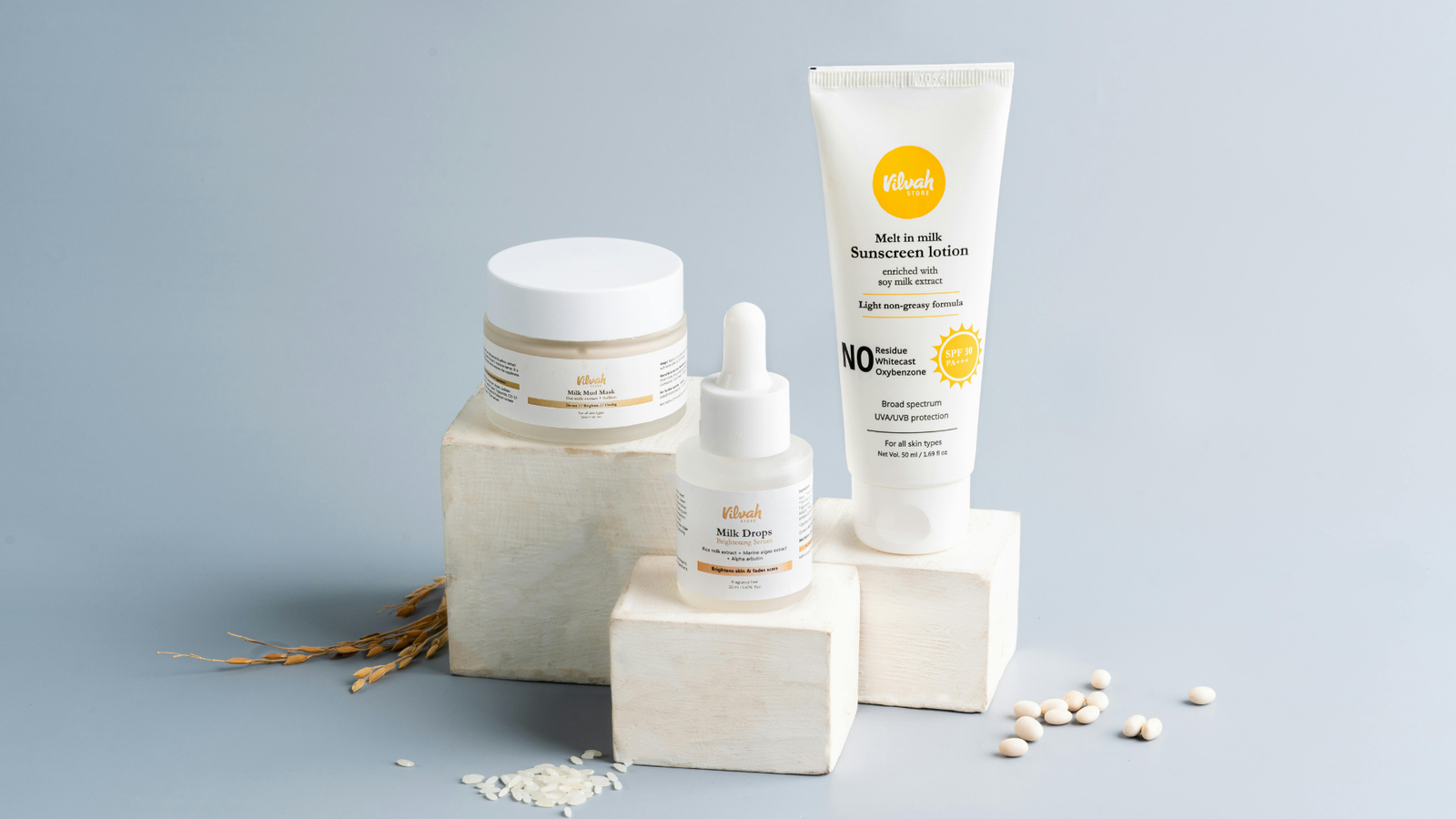
Here are some of the best organic skincare brands in the USA based on quality, transparency, and effectiveness.
Tata Harper is often considered the gold standard in organic skincare, known for its luxury formulations and strict ingredient control.
This brand combines science-backed skincare with organic ingredients, making it one of the most effective options in the clean beauty market.
Herbivore is perfect for those who want minimalist organic skincare without unnecessary chemicals.
OSEA uses marine-based ingredients to deeply hydrate and nourish the skin.
Juice Beauty blends organic ingredients with scientific formulations for effective results.
Weleda is a trusted name in natural skincare with a long-standing reputation.
| Brand | Price Range | Best For | Key Feature |
| Tata Harper | $$$$ | Anti-aging | Luxury organic |
| True Botanicals | $$$$ | Acne & aging | Clinical results |
| Herbivore | $$$ | Sensitive skin | Minimal ingredients |
| OSEA Malibu | $$$ | Hydration | Seaweed formulas |
| Juice Beauty | $$ | Everyday use | Affordable organic |
| Weleda | $$ | Dry skin | Heritage brand |
| Dr. Hauschka | $$$ | Sensitive skin | Holistic care |
Choosing the best brand depends on your skin type and goals.
Even when buying organic, people make mistakes.
👉 Many brands use marketing terms without real organic certification.
Short answer: Yes — but only if you choose the right ones.
Organic skincare:
However, effectiveness depends on:
The best organic skincare brand is not always the most expensive — it’s the one that suits your skin.
If you want healthier skin in 2026:
👉 Choose trusted organic skincare brands
👉 Focus on ingredients, not marketing
👉 Keep your routine simple and consistent
Organic skincare is not just a trend — it’s a smarter way to take care of your skin.
Skincare marketing terms aren’t always regulated as strictly as most shoppers assume, which makes it worth understanding what a few common labels actually mean. “Organic” typically refers to how the plant-based ingredients were farmed, meaning without synthetic pesticides or fertilizers, but it says nothing about the product’s overall formulation or effectiveness. “Clean” is an even less regulated term and can mean very different things from one brand to another. Looking for recognized third-party organic certifications on the packaging, rather than trusting marketing language alone, is a more reliable way to confirm a product meets a specific, verifiable standard.
Ingredients are listed in descending order by concentration, so the first several items on the list make up the bulk of the formula. Learning to recognize a handful of common beneficial ingredients, such as hyaluronic acid for hydration, niacinamide for barrier support, and plant oils like jojoba or squalane for moisture, helps you evaluate a product’s likely function even without knowing the specific brand. Similarly, recognizing common irritants like added fragrance or high concentrations of certain essential oils helps you avoid products that may not suit sensitive skin, regardless of how “natural” the overall formula claims to be.
Organic and natural formulations still need to match your specific skin type to work well. Oily and acne-prone skin generally benefits from lighter, non-comedogenic formulas, while dry skin benefits from richer creams with occlusive ingredients that lock in moisture. Sensitive skin does best with short ingredient lists and fragrance-free formulas, even within natural product lines, since plant-derived ingredients can still trigger sensitivity in some people. Identifying your skin type honestly, rather than assuming “natural” automatically means “gentle,” is the first real step toward a routine that actually works.
A common mistake, even with high-quality organic products, is applying them in the wrong order and reducing their effectiveness. As a general rule, thinner, water-based formulas like toners and serums go on before thicker creams and oils, and sunscreen always goes on last during the day. Sticking to a simple, consistent routine, cleanser, treatment serum, moisturizer, and sunscreen in the morning, with a slightly heavier moisturizer at night, tends to outperform an elaborate routine applied inconsistently or in the wrong sequence.
Even fully organic and natural products can cause reactions in individuals with specific sensitivities. Testing a small amount on your inner forearm or behind your ear for a few days before applying a new product to your face is a simple, free habit that prevents a bad reaction on more visible skin. Waiting at least twenty-four hours before judging a product’s effect is also important, since some irritation reactions take a day or more to appear.
Skin needs shift with the weather, and a routine that works well in summer often needs adjustment by winter. Lighter, gel-based organic formulas tend to work better in humid summer months, while richer, oil-based products help combat the dryness that colder, drier air brings in winter. Rotating your routine seasonally, rather than using the exact same products year-round, helps organic and natural formulations keep pace with your skin’s changing needs.
Many organic skincare brands also emphasize sustainable packaging, such as glass containers, refillable options, or recyclable materials, which is worth factoring into your buying decision alongside the formula itself. Choosing brands that minimize excess packaging or offer refill programs extends the environmental benefit of an organic ingredient list to the product’s entire lifecycle, not just what’s inside the bottle.
Topical skincare works best alongside basic internal health habits, since hydration, sleep, and nutrition all show up visibly in skin condition over time. Our guide on supplements you should actually take and why covers a few options worth considering if you’re looking to support skin health from the inside as well as with topical products.
Natural and organic formulations often carry a higher price tag than conventional alternatives, but they don’t have to break your budget. Our thrifty sales guide covers several resources for finding beauty and skincare markdowns, and shopping sample sizes or starter kits before committing to full-size products is a low-risk way to test whether a specific organic line works for your skin before a larger purchase.
Choosing organic skincare works best when it’s paired with a basic understanding of ingredients, your own skin type, and a consistent routine. No single brand or product works for everyone, so use the fundamentals covered here to evaluate any organic skincare line, including the brands listed above, before committing to a full routine. Browse our full health category on Retail Under Cut for more skincare and wellness guides.
Switching an entire routine over to organic products all at once makes it hard to identify which specific product caused a reaction if one occurs, and it can also overwhelm skin that isn’t used to certain plant-based actives. Introducing one new product at a time, waiting at least a week or two before adding the next, gives your skin time to adjust and makes it far easier to pinpoint the source of any irritation. Layering too many active ingredients at once, even natural ones like certain essential oils or high concentrations of vitamin C, can also cause sensitivity that gets mistakenly blamed on “organic” formulas being harsh, when the real issue is simply too many actives applied together.
Skincare results, especially from natural and organic formulations, often take longer to appear than synthetic alternatives with more concentrated actives. Giving a new product at least four to six weeks of consistent use before deciding whether it’s working is a more realistic timeline than judging results after just a few days. This is especially true for products targeting gradual concerns like fine lines, uneven tone, or texture, where visible change accumulates slowly rather than appearing overnight.
Natural formulations without synthetic preservatives can be more sensitive to heat, light, and air exposure than conventional products, which matters when packing for travel. Keeping organic skincare in a cool, dark part of your luggage, and transferring products into smaller travel-sized containers rather than exposing full-size bottles to repeated temperature changes, helps preserve the formula’s effectiveness and shelf life while you’re away from home.
While a good skincare routine solves many common concerns, persistent issues like severe acne, unexplained rashes, or ongoing irritation are worth discussing with a dermatologist rather than continuing to experiment with different organic products on your own. A professional can help identify whether an underlying skin condition, rather than product choice, is driving the issue, saving you both time and money compared to repeatedly trying new products in search of a solution.
Whichever organic brands you ultimately choose, the fundamentals covered here, understanding labels, matching products to your skin type, and giving new routines enough time to work, matter more than any single product recommendation. A thoughtful, patient approach will get you better results than chasing the newest trending organic release every few months.
If sensitive skin is a specific concern, it’s also worth checking how your skincare choices interact with other personal care products you use regularly, such as the razors and shaving tools covered in our guide to razors for sensitive skin, since irritation from multiple sources can compound and make it harder to tell which product is actually causing a reaction.









Don’t miss a thing! Sign up to get new content sent directly to your inbox.