

General health tips 2026 guidance looks noticeably different from the generic “eat well, sleep well, exercise more” advice of years past. This year’s approach to wellness blends long-standing medical guidance with a wave of new research on longevity, nervous system regulation, and personalized health tracking. The result is a more practical, more individualized way of thinking about everyday health — one that focuses less on chasing trends and more on building habits that genuinely hold up over a lifetime.
This guide brings together the core, evidence-based fundamentals that never go out of style with the specific shifts defining wellness in 2026, so you can build a routine that is both medically sound and realistic for the way people actually live now.
Three broad shifts are shaping health advice this year, according to wellness researchers and major industry reports. First, there’s a move away from short-term fixes toward “healthspan” thinking — extending the number of years you feel strong, mobile, and mentally sharp, not just the number of years you’re alive. Second, personalization has become mainstream: at-home biomarker testing, wearable data, and AI-driven coaching now let people tailor nutrition and exercise plans to their own biology rather than following one-size-fits-all advice. Third, mental health guidance has moved beyond simply “reducing stress” toward actively regulating the nervous system through practices like breathwork, cold and heat exposure, and structured recovery time.
None of this replaces the basics. It builds on them. The core general health tips that have guided medicine for decades — enough sleep, regular movement, balanced nutrition, preventive screenings — remain the foundation. What’s changed is the sophistication of the tools available to support those basics, and a growing recognition that consistency matters more than intensity.
Before diving into 2026’s newer trends, it’s worth anchoring on the fundamentals that every major health authority still agrees on. These four pillars — movement, nutrition, sleep, and hydration — do more for your long-term health than any supplement or biohack.
The CDC’s physical activity guidelines remain the gold standard: adults need at least 150 minutes of moderate-intensity activity per week, or 75 minutes of vigorous activity, plus two days of muscle-strengthening exercise targeting the major muscle groups. That 150-minute target can be broken into manageable chunks, such as 30 minutes a day across five days, and the CDC is explicit that some activity is always better than none.
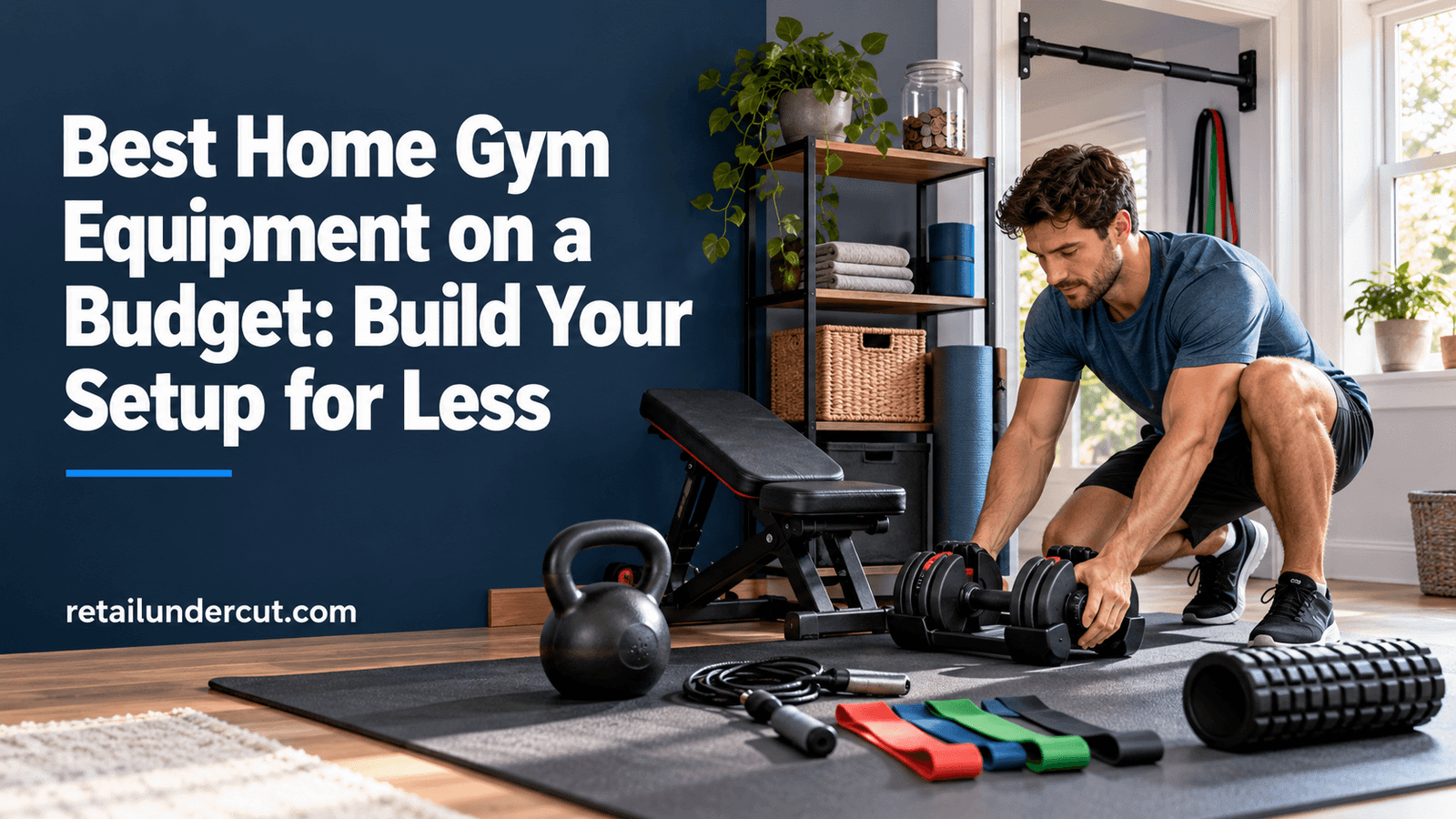
What’s new in 2026 is how people are hitting that target. “Micro-movement snacks” — short bursts of activity like a five-minute walk after meals or a few minutes of bodyweight exercises between meetings — are gaining traction as a realistic way to accumulate weekly activity without needing a dedicated hour at the gym. Functional fitness approaches like loaded carries, mobility flows, and rucking (walking with a weighted pack) are also trending, since strength and mobility are now considered among the strongest predictors of long-term independence as people age. If you’re building a home routine to make consistency easier, this roundup of budget-friendly home gym equipment covers practical options that don’t require a gym membership.
Nutrition guidance in 2026 continues to emphasize whole, minimally processed foods, but with a sharper focus on blood sugar stability and circadian alignment — sometimes called “bioharmony nutrition.” In practice, this means favoring meals that combine protein, fiber, and healthy fats to avoid sharp blood sugar spikes, eating on a more consistent daily schedule, and including fermented foods like yogurt, kefir, or sauerkraut to support gut health. Protein intake has also become a bigger focus this year, with many nutrition experts recommending adults prioritize adequate protein at each meal to support muscle mass, which plays a major role in metabolic health and healthy aging.
None of this requires an elaborate diet overhaul. Small, sustainable shifts — more vegetables, more fiber, less ultra-processed food, and consistent meal timing — deliver the majority of the benefit.
Sleep remains one of the most underrated levers for overall health, and the numbers show most adults aren’t getting enough of it. The CDC recommends at least 7 hours of sleep per night for adults, yet recent surveillance data shows a large share of the population falls short — with insufficient sleep rates ranging from roughly 30% to nearly half of adults depending on the region, and higher rates among men and adults aged 45 to 64.
Practical general health tips for better sleep in 2026 include keeping a consistent wake time every day, dimming lights and reducing screen exposure in the hour before bed, and creating a cool, dark sleeping environment. A growing number of people are also using home wellness technology — smart lighting that mimics natural circadian rhythms, air purification, and sleep-tracking devices — to fine-tune their sleep environment, though the fundamentals of consistency and a wind-down routine still matter more than any single gadget.
Hydration is easy to overlook but affects everything from energy levels and cognitive function to digestion and skin health. A simple, practical target is to drink water consistently throughout the day rather than in large amounts at once, and to pay attention to thirst, urine color, and energy dips as natural signals. Herbal teas and water-rich foods like fruits and vegetables also count toward daily fluid intake, and can be an easy way to build hydration into meals rather than treating it as a separate task.
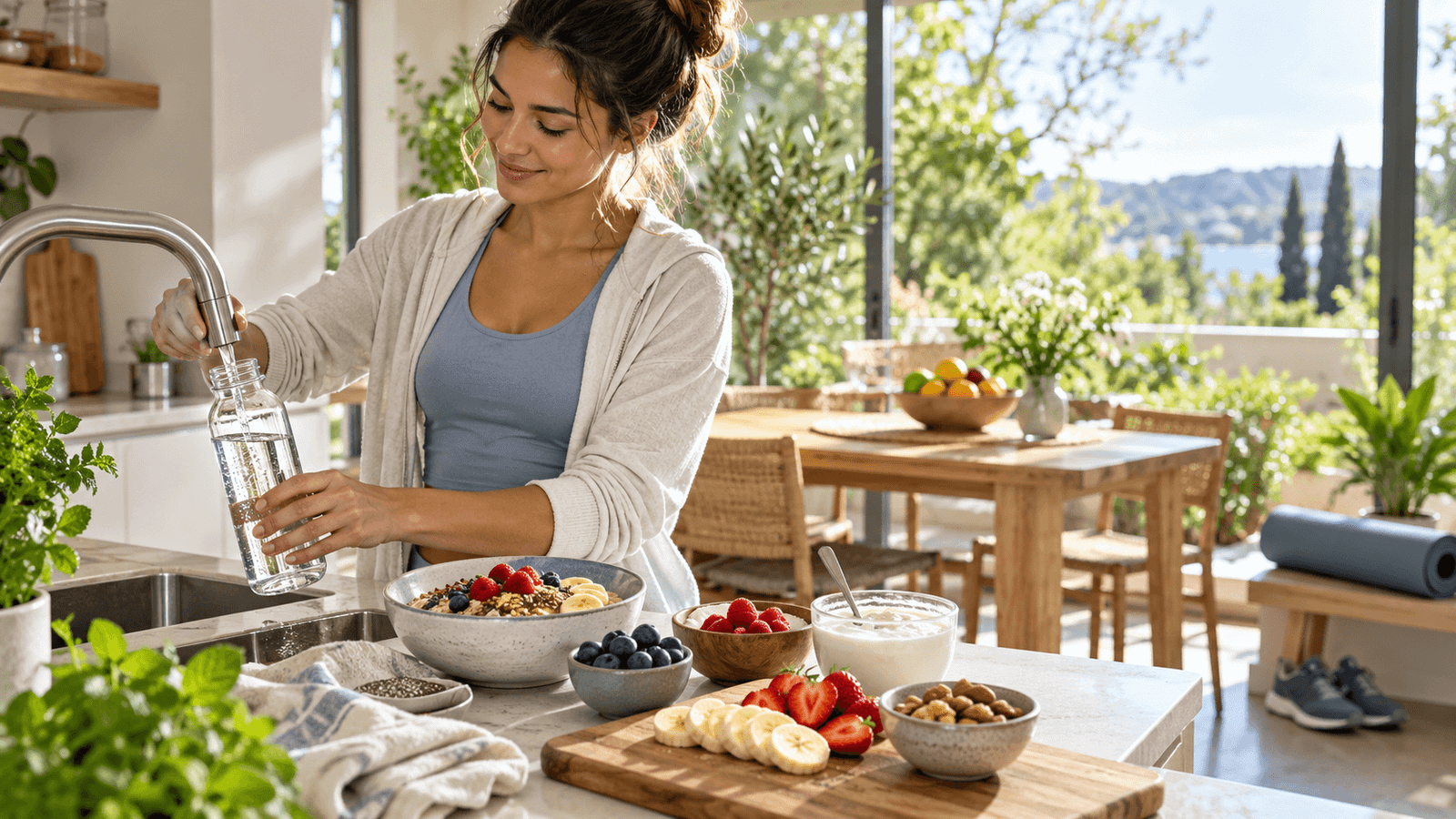
One of the clearest changes in general health tips for 2026 is how mental health advice has evolved. Rather than framing stress management as simply “relaxing more,” the current approach emphasizes actively regulating the nervous system — shifting the body out of a chronic fight-or-flight state and into a calmer, more resilient baseline.
Chronic activation of the body’s stress response has been linked to anxiety, burnout, and hormonal imbalances, which is why practices that directly calm the nervous system have moved into the mainstream. Common approaches include structured breathwork sequences (such as slow, extended exhales), brief cold exposure like cold showers, contrast therapy alternating between heat and cold, and trauma-informed movement practices like gentle somatic stretching. These don’t need to be elaborate: even two or three minutes of slow, deliberate breathing during a stressful moment can measurably lower heart rate and shift the body toward a calmer state.
If seasonal changes or specific dates tend to affect your mood, our detailed guide to mental health tips for September 22 and the fall equinox breaks down the science of seasonal mood shifts and offers a structured plan for managing them.
“Emotional fitness” has emerged as its own wellness category in 2026, treating emotional regulation with the same intentionality as physical fitness. This includes journaling protocols designed to process difficult emotions rather than just record the day, mental fitness apps that build resilience through short daily exercises, and a growing awareness that emotional dysregulation contributes to real physical symptoms — including disrupted sleep, weakened immune function, and increased conflict in relationships. Building even a five-minute daily journaling or reflection habit can meaningfully support this kind of emotional resilience over time.
No list of general health tips is complete without preventive care, and 2026 guidance continues to emphasize catching problems early rather than treating them after they escalate. While specific recommendations vary by age, sex, and personal risk factors, a few checkups are broadly relevant for most adults:
Blood pressure should be checked at least annually, since hypertension often has no symptoms until it causes serious damage. Cholesterol and blood sugar screening help catch cardiovascular and metabolic risk early, particularly important given how closely blood sugar stability ties into the broader nutrition trends shaping 2026 wellness advice. Cancer screenings — including those for breast, cervical, colorectal, and skin cancer — follow age- and risk-based schedules that a primary care provider can tailor to your history. Dental checkups twice a year and annual vision exams round out the basics, along with a periodic mental health check-in, which is increasingly treated as just as essential as a physical one.
The specific screenings that apply to you depend on age, family history, and existing conditions, so the most useful general health tip here is simple: schedule an annual visit with a primary care provider who can build a personalized preventive care plan, rather than trying to self-diagnose which tests you need.
Preventive care needs also shift meaningfully with age. Older adults generally require more frequent monitoring of bone density, cardiovascular health, and cognitive function, along with adjusted approaches to nutrition and movement that account for changes in metabolism and mobility. If you’re planning care for an aging parent or thinking ahead to your own needs later in life, our seasonal health guide for elderly readers offers a helpful starting point for building an age-appropriate wellness routine.
Perhaps the biggest shift in general health tips for 2026 is the move toward precision, personalized wellness. At-home biomarker testing kits, gut microbiome analysis, and wearable devices that track metrics like heart rate variability and sleep stages now give people direct insight into their own biology in a way that simply wasn’t accessible to the average person a few years ago. AI-driven coaching tools can synthesize this data into personalized recommendations, adjusting suggestions based on someone’s stress levels, activity patterns, and recovery status.
This kind of personalization can genuinely improve consistency and results, since advice that’s tailored to your actual biomarkers and lifestyle is easier to stick with than generic guidance. That said, it’s worth approaching personalized supplements and biomarker-driven recommendations with a healthy dose of caution: these tools are most useful as a complement to professional medical care, not a replacement for it. If you’re considering adding supplements based on testing or general nutritional gaps, our guide to supplements you should actually take (and why) breaks down which ones have real evidence behind them.
Even the best general health tips fail if they don’t fit into daily life, which is why environment and community have become a bigger part of the 2026 wellness conversation.
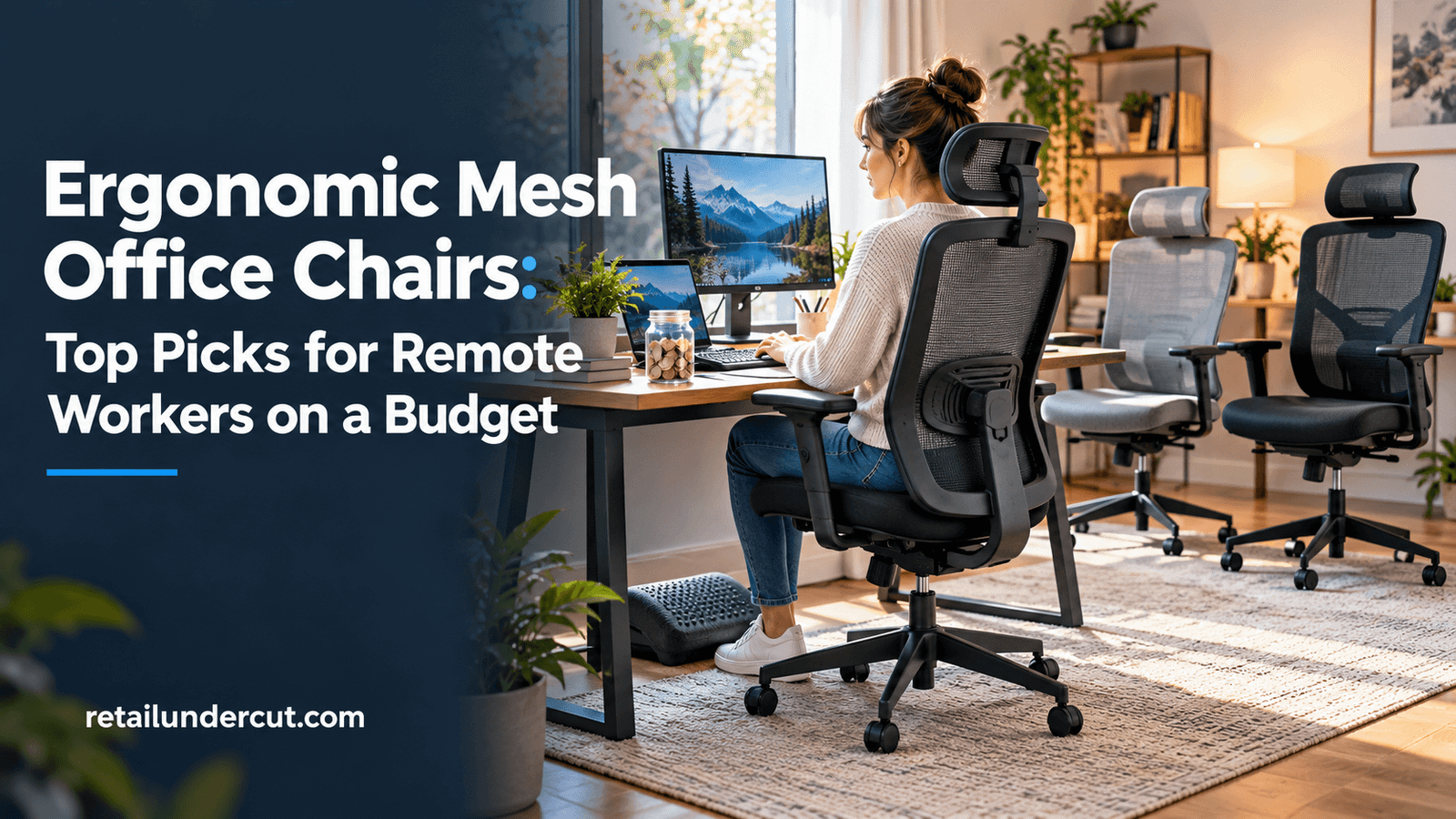
Small environmental changes can make healthy choices the default rather than something that requires willpower. If you work from home or spend long hours at a desk, an ergonomic, well-positioned setup makes it far easier to stay comfortable and take movement breaks throughout the day — our breakdown of ergonomic mesh office chairs for remote workers covers budget-friendly options worth considering. On a larger scale, workplaces are increasingly building “holistic wellness ecosystems” that include stress recovery spaces, flexible scheduling, and movement breaks, recognizing that employee health is directly tied to productivity and retention.
Social wellness has re-emerged as a major theme in 2026, with group activities like walking clubs, community dinners, sauna sessions, and meditation circles gaining popularity. This isn’t just a nice-to-have: research consistently links strong social connection to reduced inflammation, greater longevity, and better mental health outcomes. If your current routine is entirely solitary, adding even one regular group activity — a weekly walk with a friend, a fitness class, or a community event — can meaningfully strengthen this often-overlooked pillar of health.
Movement, nutrition, sleep, and preventive care tend to get most of the attention in general health tips, but recovery — the deliberate practice of letting your body and mind reset — has become a bigger focus in 2026. The logic is straightforward: exercise, work stress, and daily stimulation all place demands on the body, and without structured recovery, those demands accumulate rather than resolve.
Simple restorative practices are gaining popularity as accessible, low-cost ways to support recovery daily. Magnesium baths, herbal infusions, and short nervous-system-downregulation routines — like lying down with slow breathing for ten minutes before bed — are being framed less as indulgent extras and more as foundational tools for metabolic health, emotional balance, and healthy aging. Home wellness technology has expanded to support this shift too, with smart circadian lighting that dims and warms in the evening, air purification systems, and red light therapy panels designed to support the body’s natural recovery processes.
Time spent outdoors continues to show measurable physiological benefits, including lower stress hormone levels and improved heart rate variability. Practices like grounding (walking barefoot on natural surfaces), forest bathing, and simply getting morning sunlight to anchor your circadian rhythm are inexpensive, evidence-supported ways to support recovery without any special equipment. Even a short walk outside during a lunch break can meaningfully offset a day of screen time and indoor stress.
For those with the flexibility to travel, regenerative wellness travel has shifted away from purely luxury spa experiences toward immersive, restorative ones — forest immersion retreats, mineral hot springs, and structured digital-disconnect trips designed around sleep and nervous system reset. But this trend scales down easily: a local, single-day “micro-retreat” focused on unplugging, moving gently, and resting can offer many of the same benefits without the cost or time commitment of travel.
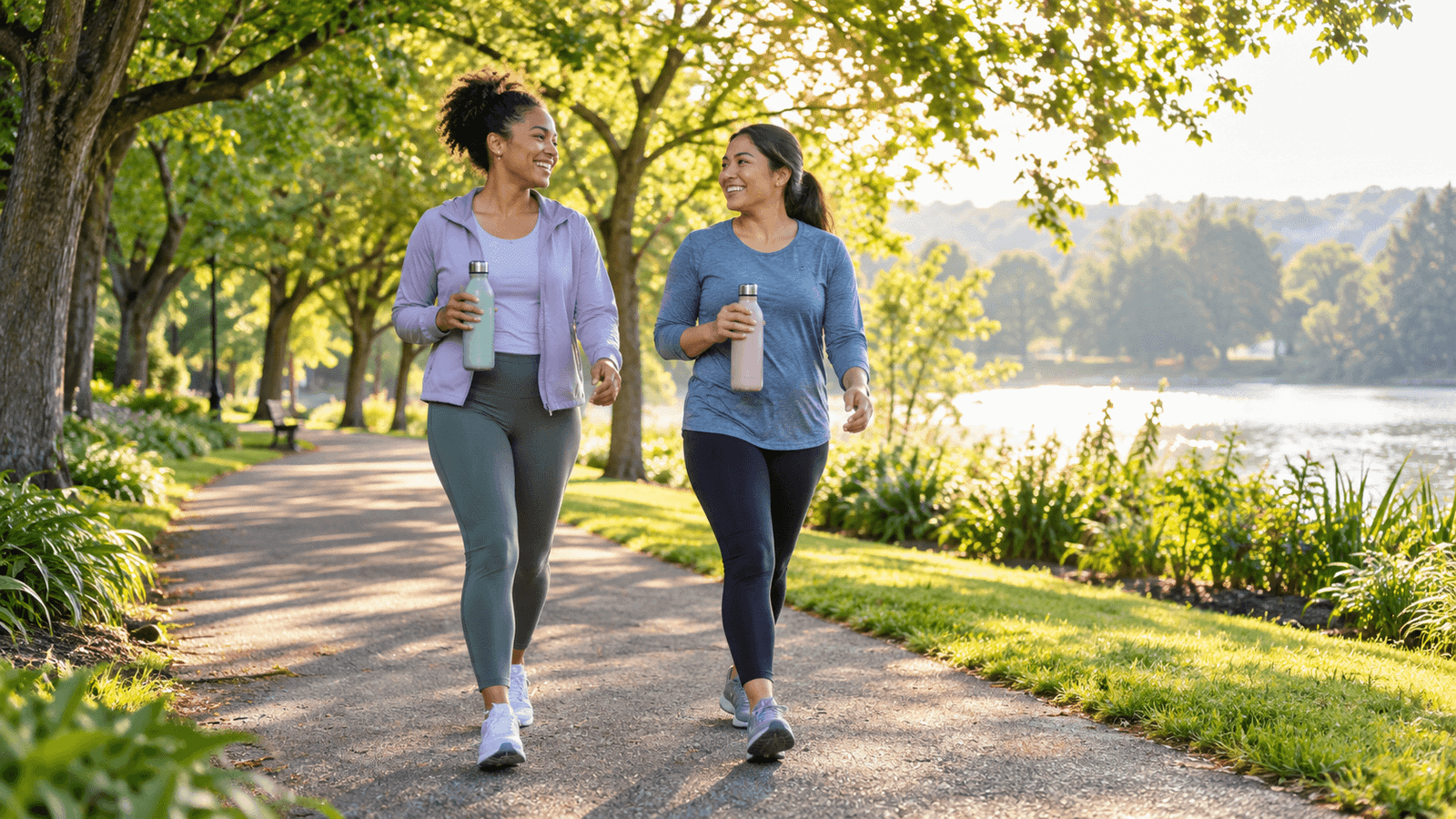
If you’d rather start with structure than a long list of individual tips, try mapping the core habits above onto a single week and repeating the pattern:
This kind of structured, repeatable checklist is especially useful for people who find open-ended wellness advice overwhelming. It also gives you a simple way to notice what’s actually improving your energy and mood over time, rather than guessing.
Self-directed general health tips are genuinely valuable, but they’re not a substitute for professional care. It’s time to see a doctor rather than relying on self-care alone if you notice persistent fatigue that doesn’t improve with better sleep, unexplained weight changes, ongoing digestive issues, chest pain or shortness of breath, a mood that stays low or anxious for more than two weeks, or if you’re simply overdue for a preventive screening appropriate to your age and risk factors. Wearables and at-home tests can flag things worth discussing, but a healthcare provider is essential for interpreting them accurately and deciding what, if anything, needs treatment.
What are the most important general health tips for 2026? The fundamentals still matter most: at least 150 minutes of weekly moderate activity plus strength training, 7 or more hours of sleep, a diet built around whole foods and consistent meal timing, and regular preventive checkups. Newer trends like nervous system regulation and precision wellness build on these basics rather than replacing them.
Is personalized or precision wellness actually necessary? No — it’s a helpful addition for people who want more tailored guidance, but it isn’t required to be healthy. The core general health tips (movement, sleep, nutrition, preventive care) provide the vast majority of benefit regardless of whether you use biomarker testing or AI coaching tools.
How much exercise do I actually need each week? The CDC recommends at least 150 minutes of moderate-intensity activity or 75 minutes of vigorous activity weekly, plus two days of muscle-strengthening exercise. This can be split into short sessions throughout the week rather than done all at once.
What is nervous system regulation, and do I need to do it? It refers to practices — like breathwork, cold exposure, and somatic movement — that actively calm the body’s stress response rather than just reducing stressors. It’s not mandatory, but it can be a useful tool if you experience chronic stress, anxiety, or burnout.
How do I know which preventive screenings I need? Recommended screenings vary by age, sex, and personal or family health history. The most reliable approach is scheduling an annual visit with a primary care provider who can build a screening schedule tailored to you, rather than following a generic checklist.
Do I need to try every 2026 wellness trend to be healthy? No. Trends like precision wellness, nervous system regulation, and regenerative travel are optional additions, not requirements. A person who consistently hits the fundamentals — regular movement, enough sleep, balanced nutrition, and routine checkups — will see far greater health benefits than someone who chases every new trend while neglecting the basics.
The most effective general health tips for 2026 aren’t dramatically different from what doctors have recommended for years — move regularly, sleep enough, eat whole foods, stay hydrated, and keep up with preventive care. What’s changed is the depth of understanding around why these habits matter, the tools available to personalize them, and a growing recognition that mental and emotional regulation deserve the same intentional attention as physical health. Rather than chasing every new wellness trend, the most sustainable approach is to build a small set of consistent habits across movement, nutrition, sleep, and mental health, and let precision tools and newer practices support that foundation rather than replace it.