

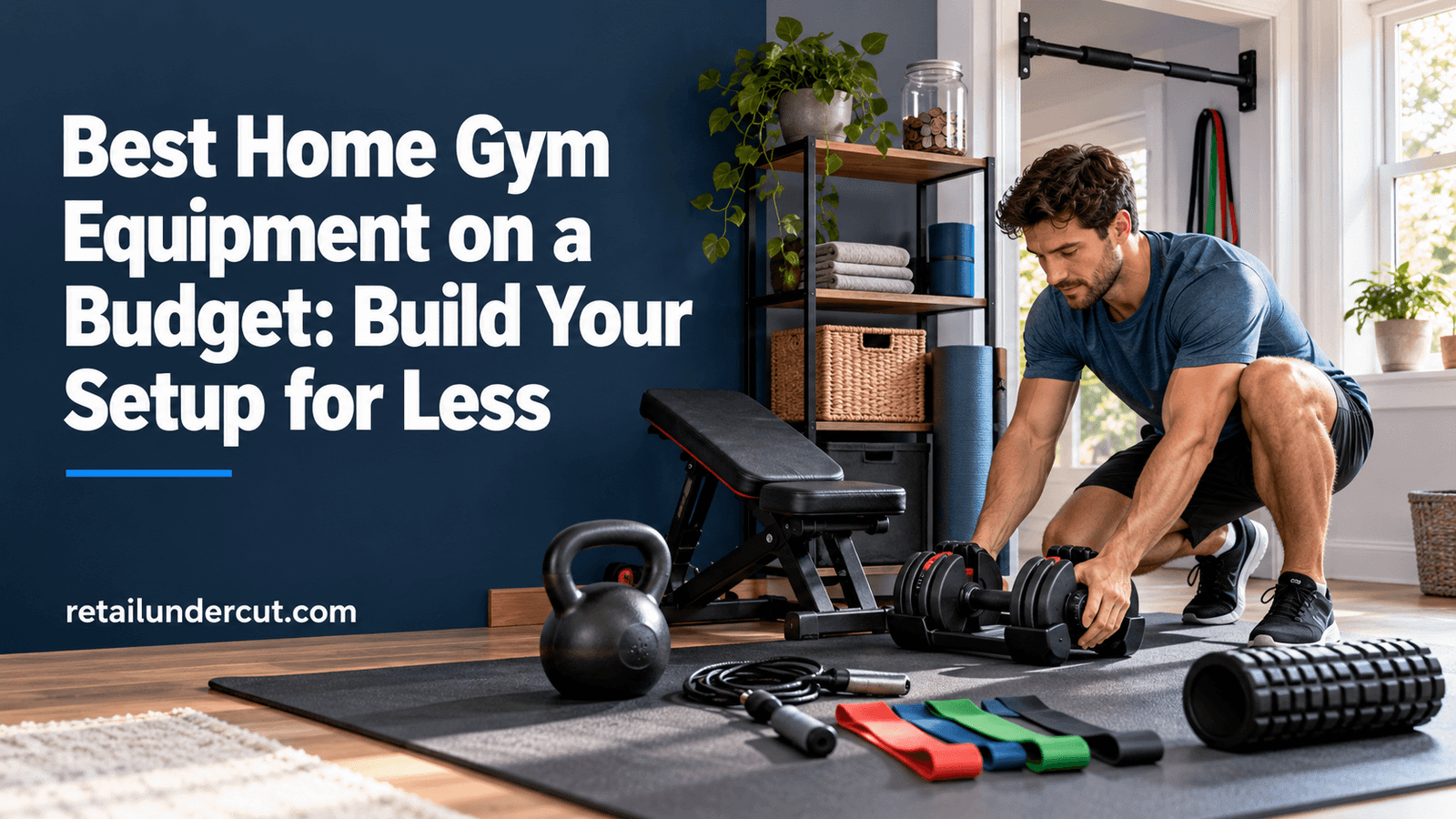
Joining a commercial gym isn’t the only way to get fit. With a bit of planning, you can build a fully functional home workout space without breaking the bank. The best home gym equipment on a budget doesn’t have to mean flimsy, low-quality gear, it means choosing versatile pieces that deliver real results for a fraction of the cost of a fancy machine or a year-long membership. Whether you’re short on space, cash, or both, this guide walks you through exactly what to buy, where to find it cheap, and how to put together a setup that grows with your fitness goals. By the end, you’ll have a clear, practical plan for building an affordable home gym that actually gets used, not one that turns into an expensive clothes rack.
Gym memberships add up fast. Even a modest monthly fee can total hundreds of dollars a year, and that’s before factoring in gas, parking, or the guilt of a membership you barely use. A budget home gym flips that equation. Once you’ve covered the upfront cost of a few key pieces of equipment, your only ongoing expense is your own consistency. There’s no commute, no waiting for machines, and no self-consciousness about being a beginner in a room full of strangers. You can train in pajamas at five in the morning or squeeze in a quick session between meetings. For families, a shared home setup means everyone gets access without paying for multiple memberships. And because you’re choosing every piece yourself, you end up with equipment that actually matches how you like to train, not whatever happens to be free at the gym that day.
Before you spend a single dollar, walk through your home and decide where your workouts will actually happen. A corner of the garage, a spare bedroom, or even a cleared-out section of the living room can work, as long as it’s a spot you’ll return to consistently. Look for an area with a stable floor, decent ventilation, and enough room to swing a kettlebell or roll out a mat without knocking into furniture. A rubber mat or interlocking foam tiles will protect your flooring and reduce noise, which matters if you live in an apartment or have people sleeping nearby. If your setup doubles as a home office, take a look at our guide to ergonomic mesh office chairs for ideas on staying comfortable between sets and during work calls in the same room.
Once your space is ready, focus on equipment that gives you the most training variety for the least money. Here’s where to start.
Resistance bands are the cheapest, most versatile purchase you can make. A set of bands with varying resistance levels costs less than a single gym session but can replace an entire rack of dumbbells for many exercises, from rows and presses to squats and glute bridges. They’re light, portable, and gentle on joints, making them ideal for warm-ups, rehab work, or full workouts on days you’re short on time.
A pair of adjustable dumbbells lets you dial in the exact weight you need without cluttering your floor with a dozen individual pairs. While the upfront cost is higher than a single fixed pair, adjustable sets typically replace five or six pairs of traditional dumbbells, which makes them one of the smartest long-term investments in budget home gym equipment.
A single kettlebell in a moderate weight opens the door to swings, goblet squats, presses, and carries. Because kettlebell training emphasizes full-body movement, one piece of equipment can cover strength, conditioning, and mobility all at once.
Few tools deliver more cardio value per dollar than a basic jump rope. It takes up almost no space, works in a driveway or living room, and can turn a five-minute warm-up into a serious calorie burner.
A doorway pull-up bar is one of the most affordable ways to train your entire upper back and arms. Many models require no drilling and can be removed when not in use, which makes them perfect for renters.
An exercise ball supports core work, stretching, and balance training, and doubles as an alternative seat if you want to encourage better posture while working from home.
A simple, durable mat protects your joints during floor work and gives you a defined, comfortable space for stretching, core exercises, or bodyweight circuits.
Buying smart matters just as much as buying the right equipment. Prices on fitness gear fluctuate throughout the year, and retailers frequently discount equipment around New Year’s resolutions season, summer clearance, and major shopping holidays. Our thrifty sales guide rounds up some of the best online shopping deals websites, which makes it much easier to compare prices before committing to a purchase. Many retailers also roll out steep discounts on fitness gear months in advance, which is exactly what we cover in our early Black Friday deals guide, so it’s worth bookmarking these price drops well before the holiday rush begins. Signing up for email alerts from a few trusted retailers, checking clearance sections, and comparing several stores before buying can easily save you twenty to forty percent off the sticker price.
Some of the best deals on home gym equipment never show up in a store at all. Marketplace listings, community classifieds, and local buy-and-sell groups are full of barely used dumbbells, benches, and kettlebells from people who bought a home gym during a burst of motivation and stopped using it a few months later. When shopping secondhand, check for rust, cracks, or worn grips, and always test moving parts before buying anything with joints or cables. Refurbished gear from reputable retailers is another middle ground, offering warranty protection at a fraction of the retail price. Buying used is one of the easiest ways to afford higher-quality equipment than your budget would normally allow.
A resistance band set, a jump rope, and a yoga mat. This combination covers strength, cardio, and mobility, and fits easily in a closet or under a bed.
Add a kettlebell, a doorway pull-up bar, and an exercise ball to your starter kit. At this level, you can run full strength and conditioning circuits without ever leaving the house.
Layer in a set of adjustable dumbbells and a basic adjustable bench. This setup rivals what most people actually use at a commercial gym, covering pressing, rowing, squatting, and isolation work for a one-time cost that pays for itself within the first year.
Not everyone has a spare room to dedicate to fitness, and that’s fine. Folding benches, stackable weight plates, and wall-mounted storage racks keep gear organized and out of the way when it’s not in use. Vertical storage for mats and bands frees up floor space, while multi-use items like an adjustable bench that also works as a regular seat help justify the purchase. If space is really tight, prioritize equipment that stores flat, such as bands and a folded mat, over bulkier machines.
A little care extends the life of even the most affordable equipment. Wipe down mats and handles after sweaty sessions, store metal equipment away from damp areas to prevent rust, and periodically check resistance bands for small tears before they snap mid-workout. Tightening bolts on benches or racks every few months keeps everything safe and stable.
Even with the best intentions, it’s easy to waste money when building a home gym for the first time. One common mistake is buying too much equipment at once, before you know what kind of training you’ll actually stick with. Start small, use what you have for a month or two, and let your own habits guide the next purchase. Another mistake is chasing trendy gadgets instead of proven basics; a resistance band or a simple pair of dumbbells will get you further than a gimmicky device that ends up in a closet after two weeks. It’s also worth resisting the urge to buy the cheapest possible version of everything. Extremely low-priced equipment, especially resistance bands and pull-up bars, can wear out or fail quickly, so it often pays to spend a little more on the pieces that handle the most stress. Finally, don’t underestimate the importance of proper form. No amount of budget-friendly gear will help you reach your goals if it’s used incorrectly, so take the time to learn correct technique, even if that means watching a few reputable tutorials before your first session.
There’s no single right answer, since the ideal budget depends on your goals, the space you have, and how many people will be using the equipment. As a general rule, think of your home gym as a one-time investment that replaces a recurring expense. If a typical membership costs around forty to sixty dollars a month, spending two to four hundred dollars up front on solid, versatile equipment often pays for itself within the first six to twelve months. Rather than setting a fixed dollar amount, it can help to set a per-piece limit instead, for example deciding you won’t spend more than fifty or sixty dollars on any single item until you’ve tested a full month of consistent workouts. This approach naturally keeps your budget home gym lean while still letting you build toward a well-rounded setup over time, without the pressure of one large purchase you might regret.
You don’t need a five-figure budget or a spare room the size of a warehouse to build a gym that works. Start with a handful of versatile pieces, shop smart around sales and secondhand listings, and add to your setup gradually as your training evolves. The best home gym equipment on a budget is simply the gear you’ll actually use consistently, not the most expensive option on the shelf. Focus on the basics, protect your investment with a bit of regular maintenance, and you’ll have a setup that saves you money every single month compared to a commercial membership, while giving you the freedom to train entirely on your own terms.
Once you’ve outgrown a starter setup, it’s worth revisiting your equipment list every few months rather than buying everything at once upfront. If you’re just getting started and want a more beginner-focused walkthrough before diving into a full budget setup, our companion guide on affordable home gym equipment for beginners covers the earlier stages of this process in more depth, including how to build foundational strength before adding heavier equipment. Pairing your workout routine with sensible nutrition, covered in our guide on supplements you should actually take and why, also rounds out a budget-conscious approach to home fitness. Our thrifty sales guide remains one of the best resources for finding ongoing discounts as you expand your setup. Browse our full health category on Retail Under Cut for more fitness guides.








Don’t miss a thing! Sign up to get new content sent directly to your inbox.