

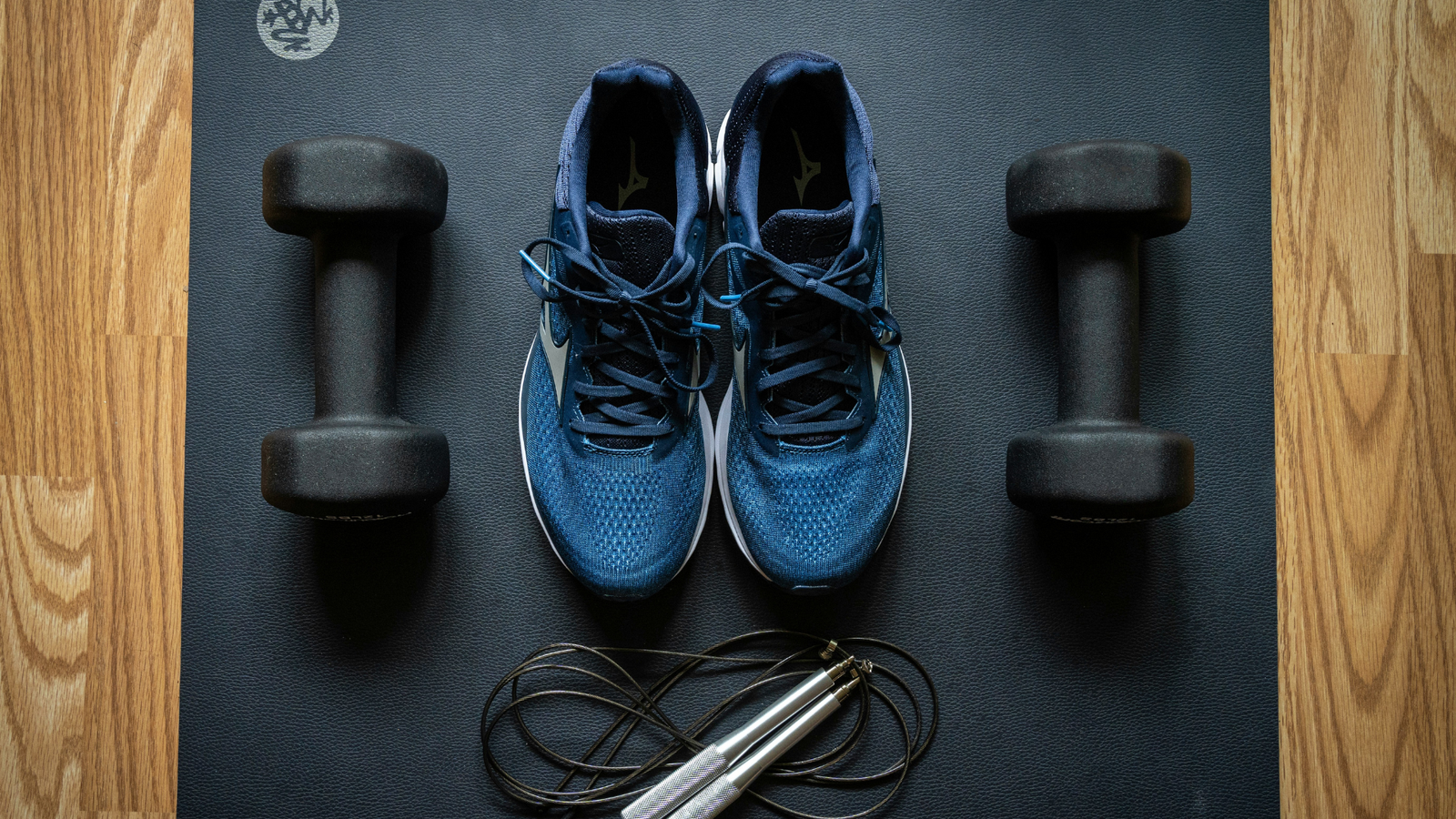
Starting a home gym doesn’t have to be expensive. Whether you’re new to fitness or looking for a convenient workout setup, the right affordable home gym equipment can help you build strength, improve endurance, and stay consistent without leaving your home.
In this guide, we’ll cover the best budget-friendly home gym equipment for beginners in 2026, tips for setup, and recommended exercises for a full-body workout.
Even a small investment in essential equipment can yield big results over time.
When choosing home gym equipment, consider:
Durability & safety: Ensure quality materials and secure usage.
Recommended: Iron Gym Total Upper Body (~$25–$30).
Foam Roller: Muscle recovery and flexibility (~$20–$25).
Keep weights and bands organized.
Flexibility & Recovery: Yoga mat stretches, foam rolling.
| Equipment | Price Range | Benefits |
| Adjustable Dumbbells | $60–$300 | Strength training, adjustable weight |
| Resistance Bands | $15–$25 | Portable, full-body resistance |
| Yoga/Exercise Mat | $20–$30 | Comfort, stability |
| Adjustable Bench | $70–$120 | Supports multiple exercises |
| Pull-Up Bar | $25–$30 | Upper body strength, minimal space |
Creating a home gym on a budget is entirely possible. Focus on versatile, durable, and essential equipment, gradually adding accessories as you progress.With adjustable dumbbells, resistance bands, mats, benches, and pull-up bars, beginners can enjoy full-body workouts, improved strength, and convenience without expensive memberships.
One of the most overlooked pieces of beginner advice is that you don’t need equipment on day one at all. Spending the first two to three weeks doing bodyweight movements, like squats, push-ups, lunges, and planks, helps you learn proper form without any risk of using weights incorrectly. It also gives you a much clearer sense of which movements you enjoy and where you actually need added resistance, so your first equipment purchases are targeted rather than guesswork.
This approach saves money too, since beginners who buy a full setup immediately often end up returning or reselling pieces that didn’t match the workouts they ended up sticking with.
Not having a dedicated room isn’t a real barrier to starting a home gym. A corner of a bedroom or living room, roughly six feet by six feet, is enough space for most beginner equipment and bodyweight routines. Foldable and stackable equipment, such as adjustable dumbbells that replace an entire rack and resistance bands that store in a small bag, make it realistic to set up and put away a full workout space in under a minute, which matters if you’re sharing the room with other furniture or family members.
If you work from home, it’s also worth thinking about how your workout space and home office overlap. Our guide on ergonomic mesh office chairs for remote workers is a useful companion resource if your gym corner doubles as part of your workday setup, since posture habits during work hours affect how your body feels during a workout later the same day.
A basic rubber mat or set of interlocking foam tiles protects flooring from dropped weights and reduces noise, which matters a lot if you live in an apartment or above another living space. This is a small, inexpensive addition, but it’s one beginners frequently skip and later regret once a dumbbell nicks a hardwood floor or a resistance band snaps a nearby lamp during an overly enthusiastic set.
Beginners often assume progress tracking requires a smart device, but a simple notebook or phone notes app recording sets, reps, and how a workout felt is just as effective in the first few months. Reviewing these notes every couple of weeks helps you notice patterns, such as which exercises are getting easier and where you might be ready to increase resistance, without needing to invest in tracking equipment before you even know which metrics matter to you.
As you outgrow your starting equipment, upgrade in the order you’re actually hitting limits rather than buying everything at once. Most beginners find resistance bands are the first thing to feel “too easy,” making a slightly heavier set or a pair of adjustable dumbbells the logical next purchase. A pull-up bar or an adjustable bench tends to come later, once bodyweight and light resistance work no longer feels challenging. Spacing out purchases this way also means each new piece of equipment is genuinely useful right away instead of sitting unused while you’re still building a base level of strength.
Home gym equipment holds up well and resells constantly, since many people buy ambitiously and use their equipment far less than planned. Local marketplace listings, community groups, and secondhand sporting goods stores are excellent sources for barely used dumbbells, benches, and mats at a fraction of retail price. As a beginner, this is an especially low-risk way to try out equipment before committing to buying it new, since you can resell it yourself later if a particular piece doesn’t end up fitting your routine.
Buying a full rack of fixed-weight dumbbells before knowing your starting strength level often wastes money on weights you’ll quickly outgrow or never use. Skipping a mat and working directly on a hard floor leads to discomfort that discourages consistency, particularly for floor-based core and mobility work. Finally, many beginners under-invest in resistance bands, assuming they’re not “real” equipment, when in fact a good set of bands remains useful for warmups, mobility, and travel workouts long after you’ve added heavier equipment to your setup.
Equipment is only part of building a sustainable fitness habit. Sleep, hydration, and basic nutrition support recovery just as much as any piece of gym equipment, and beginners sometimes overlook this while focused entirely on their workout setup. Our guide on supplements you should actually take and why is a useful, no-nonsense starting point if you’re wondering whether any supplementation is worth adding as you build a new routine.
A decent pair of workout-friendly headphones can make the difference between a routine you look forward to and one that feels like a chore, especially in the early weeks when motivation matters most. Our roundup of best budget wireless earbuds that sound premium covers several affordable options that hold up well during sweaty workouts without the premium price tag of flagship models.
Once you’ve built a bit of a base and want to expand beyond the beginner essentials covered here, our companion guide on home gym equipment on a budget goes further into building out a more complete setup without overspending, covering additional equipment categories worth considering once you’ve outgrown a purely beginner rotation.
Fitness equipment follows predictable sales patterns, with January and late summer typically bringing the deepest markdowns as retailers respond to seasonal demand shifts. Our thrifty sales guide covers several sites worth checking before your first equipment purchase, since even a beginner setup benefits from good timing rather than paying full price the moment you decide to start.
Starting a home gym as a beginner works best as a gradual process: build a movement foundation with bodyweight work, add equipment only as you actually need it, protect your space with basic mats, and track progress simply until you know what matters to you. Browse our full health category on Retail Under Cut for more beginner-friendly fitness and wellness guides.
Owning equipment doesn’t automatically translate into consistent use, so it helps to map out a simple weekly structure before your gear even arrives. A basic three-day split, alternating full-body strength days with active recovery or light cardio, gives beginners enough structure to stay consistent without the complexity of an advanced program. As your equipment collection grows, you can layer in more variety, but starting simple keeps the early weeks focused on building the habit itself rather than optimizing every detail of a routine.
Sticking a printed or saved routine somewhere visible in your workout space also removes the daily decision fatigue of figuring out what to do, which is often the biggest hidden barrier to staying consistent in the first month.
If you share your space with a partner, roommate, or family member who also wants to work out, most beginner equipment supports multiple users without needing duplicates. Adjustable dumbbells and resistance bands in particular can be shared easily since they cover a wide range of resistance levels within a single product. Scheduling shared equipment across different times of day, rather than buying a second set immediately, is usually the more budget-friendly starting point until you’re certain everyone in the household will stick with a consistent routine.
Whatever combination of equipment you end up choosing, the most important factor by far is consistency. A simple, inexpensive beginner setup used four times a week will always outperform an expensive, fully equipped gym that sits mostly unused, so resist the urge to over-invest before you’ve proven the habit to yourself first.
Give yourself permission to start small, learn what you actually enjoy, and let your equipment collection grow naturally alongside your fitness level rather than trying to buy your way into consistency on day one.








Don’t miss a thing! Sign up to get new content sent directly to your inbox.