

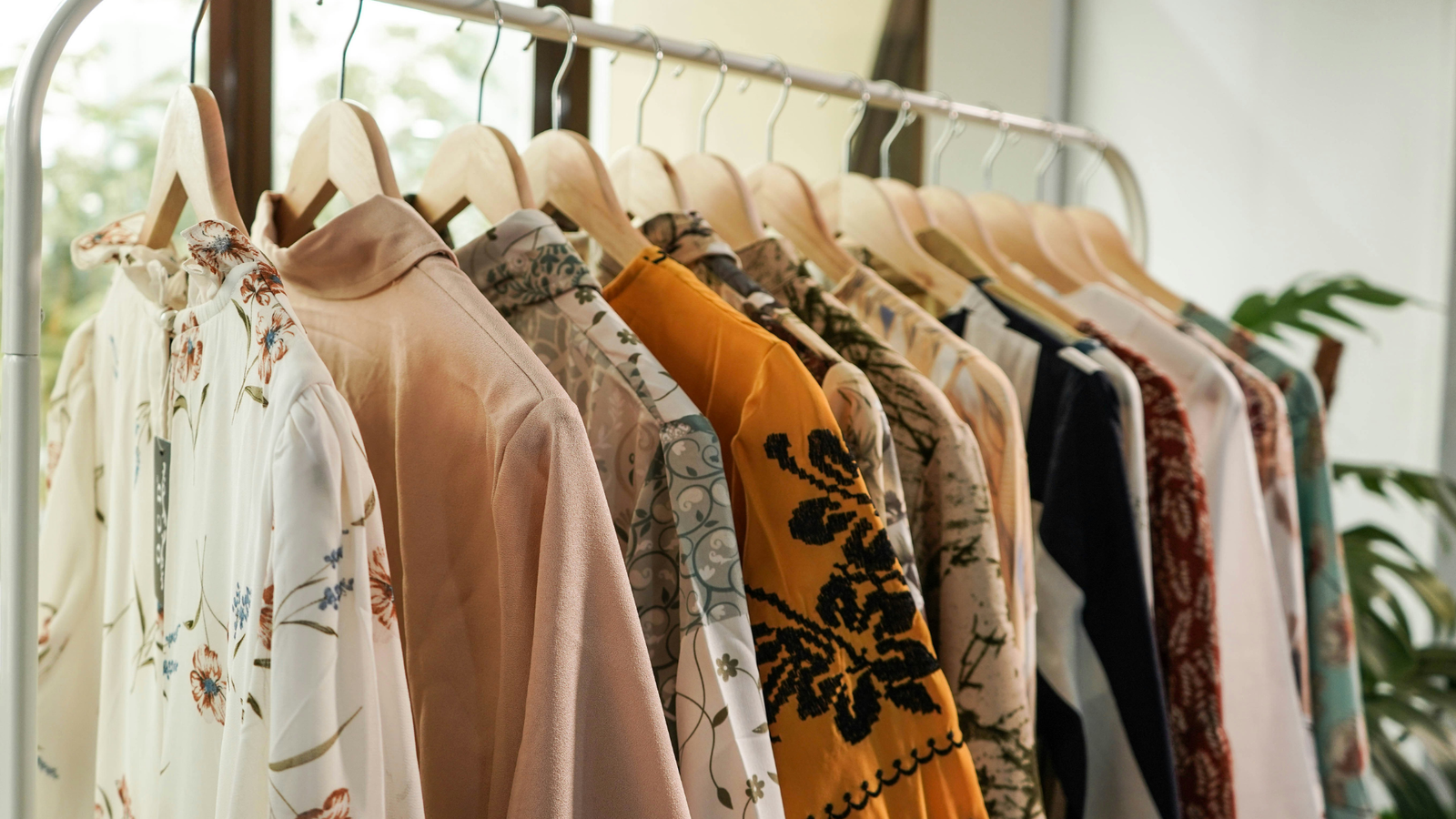
Eco-friendly fashion is more affordable than ever. Discover sustainable brands that offer quality clothing without the premium price tag.
Building a sustainable wardrobe doesn’t mean spending more. Look for brands that use organic cotton, recycled fabrics, and low-impact dyes, then buy fewer pieces that are made to last. Thrift stores, clothing swaps, and rental services are also great ways to refresh your closet without adding to landfill waste or straining your budget.
Caring for the clothes you already own is one of the most affordable ways to shop sustainably. Washing in cold water, air-drying, and repairing small tears instead of tossing garments can extend a piece’s life by years, saving you money while cutting down on the fashion industry’s environmental footprint.
A lot of shoppers assume sustainable fashion automatically means paying more. In practice, the opposite is often true once you look at cost over the full lifespan of a garment rather than just the price tag on day one. A well-made pair of jeans worn for six years costs far less per wear than five cheap pairs replaced annually, even if the upfront price is higher. Shifting your mindset from “lowest price today” to “lowest cost over time” is the single biggest money-saving habit a sustainable wardrobe can teach you.
A capsule wardrobe, a smaller collection of versatile pieces that mix and match easily, reduces spending by design. Instead of buying trend pieces that get worn a handful of times, you invest in neutral basics, one or two statement pieces per season, and reliable footwear that pairs with almost everything you own. This naturally slows down how often you shop, which is where most of the real savings come from.
Our guide on seasonal fashion trends that actually last more than one year is a useful starting point for figuring out which pieces are worth building a capsule around versus which trends will fade before you’ve worn them a dozen times.
Thrift and consignment shopping remain the fastest way to access well-made garments, including sustainable and premium labels, at a fraction of retail price. Clothing swaps with friends or through local community groups cost nothing beyond the pieces you bring, and rental services make sense for occasion wear you’d otherwise buy once and rarely touch again.
Each of these options also reduces demand for new production, which is where most of the fashion industry’s environmental cost actually comes from. Choosing secondhand for even a third of your wardrobe additions each year meaningfully lowers both your spending and your footprint at the same time.
Not all sustainable materials are created equal, and not all of them cost more. Organic cotton, linen, and responsibly sourced wool tend to hold their shape and color through far more washes than low-quality synthetic blends, which means fewer replacement purchases over time. Recycled polyester and nylon are reasonable middle-ground options when natural fibers aren’t available, offering durability closer to virgin synthetics without the same raw-material impact.
When comparing two similar items, checking the fabric label is often more useful than checking the brand name. A basic tee in a heavier, tightly woven cotton will usually outlast a “sustainable branded” version made from thin, loosely knit fabric, regardless of the marketing on the tag.
Cost-per-wear is simply the purchase price divided by the number of times you realistically expect to wear an item. A $90 coat worn 150 times over five winters costs 60 cents per wear. A $25 fast-fashion coat that falls apart after 15 wears costs about $1.67 per wear, despite looking cheaper at checkout. Running this quick calculation before a purchase is one of the most effective ways to spot when spending a bit more upfront is actually the cheaper decision long-term.
If you’re weighing a specific discounted piece against this math, our roundup of fashion brands offering the best discounts can help you find quality pieces at a lower entry price, which improves the cost-per-wear equation even further.
A handful of certifications are useful shortcuts when you don’t have time to research a brand’s entire supply chain. Look for organic textile certifications, fair labor accreditations, and recycled-content labeling on care tags or product pages. These labels don’t guarantee a low price, but brands that invest in transparent certification often also invest in better construction, which supports the durability side of the savings equation.
Garment care is free, which makes it one of the highest-value habits in sustainable fashion. Washing in cold water, turning items inside out, air-drying instead of machine drying, and repairing small seam issues before they become bigger problems can add years to a garment’s usable life. Investing in a basic sewing kit or learning to reattach a button takes minutes and avoids replacing an otherwise perfectly good piece over a small, fixable flaw.
Storing clothes properly between seasons, using breathable garment bags for delicate pieces and cedar blocks to deter moths, also protects your existing wardrobe investment without costing much at all.
When you do rotate pieces out of your wardrobe, reselling through consignment shops or online resale platforms turns old clothing into new budget for future purchases, creating a cycle where sustainable choices fund themselves. Well-cared-for items in good fabrics tend to hold resale value far better than fast-fashion pieces, which is another argument for prioritizing quality when you buy in the first place.
For denim specifically, fit matters just as much as fabric when it comes to resale value and long-term wear. Our guide on how to choose jeans for your body type can help you buy pieces you’ll actually keep in rotation for years rather than pieces that end up unworn in the back of a closet.
Sustainable fashion and saving money point in the same direction more often than most shoppers expect. Buying fewer, better pieces, caring for what you already own, and using resale and rental options where they make sense all reduce spending while also reducing environmental impact. For a closer look at how specific eco-friendly habits translate into dollars saved, our companion piece on how eco-friendly choices save money breaks down several more tactics you can start using right away. You can also browse the full fashion category on Retail Under Cut for more budget-conscious style guides.
One reason sustainable fashion gets a reputation for being expensive is that people try to replace their entire wardrobe with premium eco-friendly pieces all at once. A more realistic approach is to set aside a fixed monthly or seasonal amount specifically for wardrobe upgrades, then spend it slowly on the highest-priority gaps, such as a winter coat one season and reliable everyday shoes the next. Spreading purchases out this way avoids both the financial strain and the impulse buying that leads to closets full of clothes you rarely wear.
It also helps to rank purchases by how often you’ll actually use them. A versatile jacket worn weekly justifies a higher price tag far more easily than an occasion piece worn twice a year, so directing your sustainable-fashion budget toward high-frequency items first tends to produce the best return.
Not every product marketed as sustainable actually delivers meaningfully lower impact or better durability, so it’s worth reading beyond the packaging language. Checking for specific details, such as the percentage of recycled content, the actual fiber composition, or a named certification body, tells you far more than vague phrases like “conscious collection” printed on a hangtag. Brands that are genuinely investing in better materials are usually happy to publish these specifics, while brands relying purely on marketing language tend to leave the details out entirely.
Comparing a few options side by side before buying, rather than trusting the first sustainable label you see, usually turns up a better-made and often better-priced alternative.
Sustainable and secondhand pieces still follow the same seasonal pricing patterns as regular retail. Thrift inventory tends to be deepest right after major donation seasons, resale platforms see price dips during off-peak months, and even eco-conscious brands run clearance events to move past-season stock. Combining sustainable shopping habits with smart timing, similar to the strategies in our thrifty sales guide, stretches your budget even further without compromising on the values driving your purchases in the first place.
Beyond individual purchases, a handful of small recurring habits make the biggest long-term difference: mending instead of replacing, washing full loads instead of small ones, air-drying delicate items, and pausing 24 hours before any non-essential clothing purchase to avoid impulse buys that rarely earn their cost-per-wear back. None of these habits require a bigger budget, only a small shift in routine, and together they compound into real savings by the end of the year.
If you’re shopping for a household rather than just yourself, sustainable habits save even more money at scale. Hand-me-downs between siblings, community swaps for children’s clothing, and buying slightly oversized basics that get more seasons of wear all reduce the frequency of full wardrobe replacements. Kids’ clothing in particular tends to have a strong secondhand market, since many pieces are outgrown long before they’re worn out, making thrift and swap options especially cost-effective for growing families.
Before adding a new piece to your cart, it helps to run through a short mental checklist: will you wear this at least thirty times, does the fabric feel durable rather than flimsy, is there a secondhand or rental option that would work just as well, and does the price make sense once you calculate a rough cost-per-wear. If a piece passes most of these checks, it’s likely a purchase that supports both your budget and your values. If it fails several, it’s usually a sign to keep looking rather than settle for a discount that isn’t really a bargain once you account for how little use you’ll get out of it.
Ultimately, a sustainable wardrobe is less about any single purchase and more about a pattern of choices repeated over months and years. Each time you choose quality over quantity, repair instead of replace, or secondhand instead of new, you’re reinforcing a habit that protects both your bank account and the environment. Start with one or two changes from this guide, let them become routine, and layer on more over time rather than trying to overhaul your entire shopping approach overnight.






Don’t miss a thing! Sign up to get new content sent directly to your inbox.