

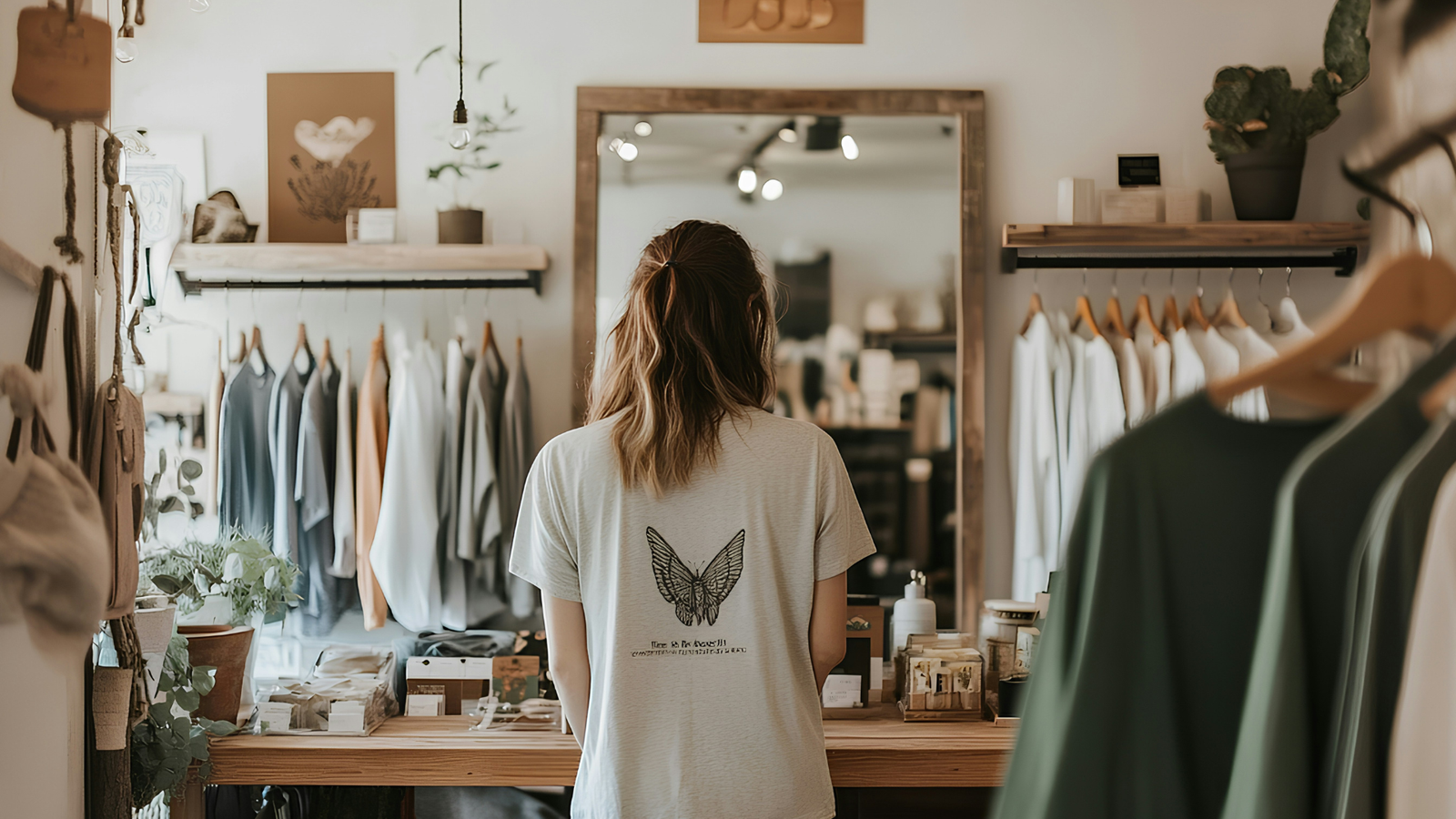
The sustainable fashion movement is not just good for the planet — it can also be great for your wallet. Quality eco-friendly garments are made to last, reducing the need to constantly replace items.
Thrift stores, clothing swaps, and rental services let you access a variety of styles at a fraction of retail prices while reducing your environmental footprint.
Every time a zipper breaks, a seam splits, or a button falls off, there’s a decision point: fix it or replace it. Repairs are almost always the cheaper option, often costing a small fraction of buying something new, yet most people default to replacing simply because it feels faster. A local tailor can typically resole shoes, replace a zipper, or take in a waistband for far less than a new item would cost, and doing this two or three times over a garment’s life can multiply its usable years without multiplying your spending.
Learning a few basic repairs yourself, like sewing a button back on or patching a small hole, removes even that small repair cost and turns garment longevity into a completely free habit.
Clothing rental services make the most financial sense for occasion wear you’d otherwise buy once and barely touch again, such as formal dresses, suits, or statement outerwear for a single event. Renting a piece for a fraction of its retail price, then returning it instead of storing it indefinitely, avoids both the upfront cost and the long-term closet space that a rarely-worn item takes up. The math flips for everyday basics, though, since renting something you’d wear weekly almost always costs more over a year than simply owning a durable version outright.
Knowing which category a purchase falls into, one-time occasion wear versus everyday rotation, is the fastest way to decide whether renting or buying will actually save you money on a specific item.
Simple sewing skills unlock a lot of savings by extending or reinventing pieces you already own instead of buying new ones. Turning worn-out jeans into shorts, taking in an oversized thrifted blazer, or dyeing a faded piece back to a wearable color all cost a small amount of time and materials compared to buying a replacement. Even no-sew options, like adding new buttons, a fabric patch, or a hem clip, can refresh an old piece enough to keep it in rotation for another season.
Communities built around clothing swaps and repair cafes have grown specifically around this idea, giving you access to tools, sewing machines, and know-how without needing to invest in your own equipment.
It may sound counterintuitive, but buying a well-made secondhand designer piece can sometimes cost less than buying several new fast-fashion items over the same period, while also lasting far longer. Structured bags, leather shoes, and tailored jackets in particular tend to hold their construction quality for decades, meaning a secondhand purchase at a steep discount off the original retail price can outlast five or six cheaper replacements bought new. Resale marketplaces and consignment shops have made this kind of shopping far more accessible and searchable than it used to be, which is worth exploring before defaulting to a new, lower-quality alternative.
Beyond the price tag on the item itself, every purchase carries hidden costs: laundering, storage, eventual disposal, and the mental overhead of maintaining a larger wardrobe. Buying fewer, better pieces reduces all of these secondary costs at once. Fewer garments means fewer loads of laundry, which lowers your water and energy bills over time, and a smaller, more curated closet is easier to maintain, meaning less gets damaged from poor storage or overcrowding.
This is one of the most overlooked ways eco-friendly choices translate directly into savings: it isn’t just the sticker price of sustainable items, it’s the reduced volume of stuff moving through your life in general.
Not every sustainable label is priced fairly, and some brands charge a noticeable premium simply for using eco-friendly marketing language rather than because the product genuinely costs more to produce. Comparing materials and construction rather than trusting a green logo on the packaging helps you avoid overpaying for the appearance of sustainability without the savings that should come with genuinely well-made, long-lasting pieces. Our companion guide on sustainable fashion and saving money covers specific fabric and certification details worth checking before paying extra for an “eco” label.
Beyond formal rental services, informal borrowing and swapping among friends, neighbors, and local groups can cover a surprising number of wardrobe needs at no cost at all. A borrowed jacket for a single cold-weather trip, a swapped dress for a wedding, or a shared collection of accessories among friends all avoid new purchases entirely. Many cities now also have “library of things” style resources that extend well beyond clothing but often include occasion wear and outerwear worth checking before you buy something you’ll only need once or twice.
When you’re deciding whether a purchase is worth it, run through a short set of questions: can this be repaired instead of replaced, could this be rented or borrowed instead of bought outright, is there a quality secondhand version available, and will buying less overall reduce my hidden costs even if a single piece costs slightly more. Applying this framework consistently, rather than just occasionally, is what turns eco-friendly fashion choices into a genuine long-term savings habit rather than a one-off decision.
For more tactics specifically focused on fit, fabric, and timing, our guides on choosing jeans for your body type and smart style secrets for a sharper look pair well with the money-saving framework above, since getting the fit right the first time is one of the simplest ways to avoid an unnecessary repurchase down the line.
Sustainable and secondhand shopping still benefits from paying attention to timing. Resale platforms and consignment shops see price dips during predictable seasonal windows, and even sustainably focused brands run clearance events to move past-season inventory. Our thrifty sales guide and roundup of fashion brands offering the best discounts are both useful references for stacking good timing on top of already eco-conscious choices.
Saving money through eco-friendly fashion choices comes down to a handful of repeatable habits: repairing before replacing, renting or borrowing for one-off needs, buying quality secondhand when it makes sense, and simply buying less overall. None of these require a bigger budget than conventional shopping, and most of them cost less once you account for the full lifecycle of a garment rather than just its price tag. Browse our full fashion category on Retail Under Cut for more guides on building a wardrobe that’s both budget-friendly and better for the planet.
It’s easy to underestimate how much repairing, borrowing, and buying secondhand actually saves over a year unless you track it somehow. Keeping a simple running note, even just a rough tally of what you spent versus what a new equivalent would have cost, turns an abstract eco-friendly habit into a concrete number. Many people find that seeing a real dollar figure by the end of a season, sometimes several hundred dollars, is what motivates them to stick with these habits long-term rather than sliding back into convenience-driven, full-price shopping.
This tracking doesn’t need to be complicated. A basic notes app entry each time you repair instead of replace, or each time you choose a secondhand item over a new one, builds a record you can look back on at the end of the year to see exactly where the savings came from.
If you’re managing a household budget rather than just your own wardrobe, these savings compound quickly across multiple people. Kids’ clothing, in particular, benefits enormously from swap networks and hand-me-downs, since children outgrow clothes long before those clothes wear out. Setting up a simple swap arrangement with other families, or joining an existing local group, can cover a meaningful portion of a growing child’s wardrobe needs without new purchases at all.
Involving family members in basic repair skills, even something as simple as sewing on a button or patching a small tear, spreads the habit and the savings across the whole household rather than leaving it to one person to manage alone.
A frequent objection to eco-friendly, money-saving fashion habits is that they take too much time. In practice, most of these habits, once established, take less time than shopping does. Choosing not to browse for something new, repairing instead of researching a replacement, or swapping with a friend instead of visiting several stores typically saves time as well as money once the initial habit is in place.
Another common objection is that secondhand and rental options won’t have the specific style or size needed. Resale and rental marketplaces have grown significantly and now cover a much wider range of sizes and styles than in the past, and combining these resources with the seasonal timing strategies mentioned earlier usually turns up a suitable option without much extra searching.
If these ideas feel like a lot to adopt all at once, a simple thirty-day challenge can help build momentum: commit to repairing at least one item instead of replacing it, borrowing or renting for one upcoming occasion instead of buying something new, and checking a secondhand or resale option before any new clothing purchase during that period. Most people find that even this short trial period saves a noticeable amount of money and makes the habits feel far more natural by the time the month is over, which makes it much easier to keep going afterward.
Fashion is just one category where eco-friendly choices tend to save money, and treating it as part of a broader budget mindset makes the habit easier to sustain. Just as you might compare prices before a big purchase or look for seasonal sales before buying something you need anyway, applying that same evaluative pause to clothing, asking whether a repair, a swap, or a secondhand option exists before defaulting to a new purchase, becomes second nature over time. The result is a wardrobe that costs less to maintain year over year while also creating far less waste than a constant cycle of new purchases and disposal.
Start small, track the results, and let the savings speak for themselves. Eco-friendly fashion habits earn their place in your routine on financial merit alone, long before you even factor in the environmental benefit that comes along with them.








Don’t miss a thing! Sign up to get new content sent directly to your inbox.