

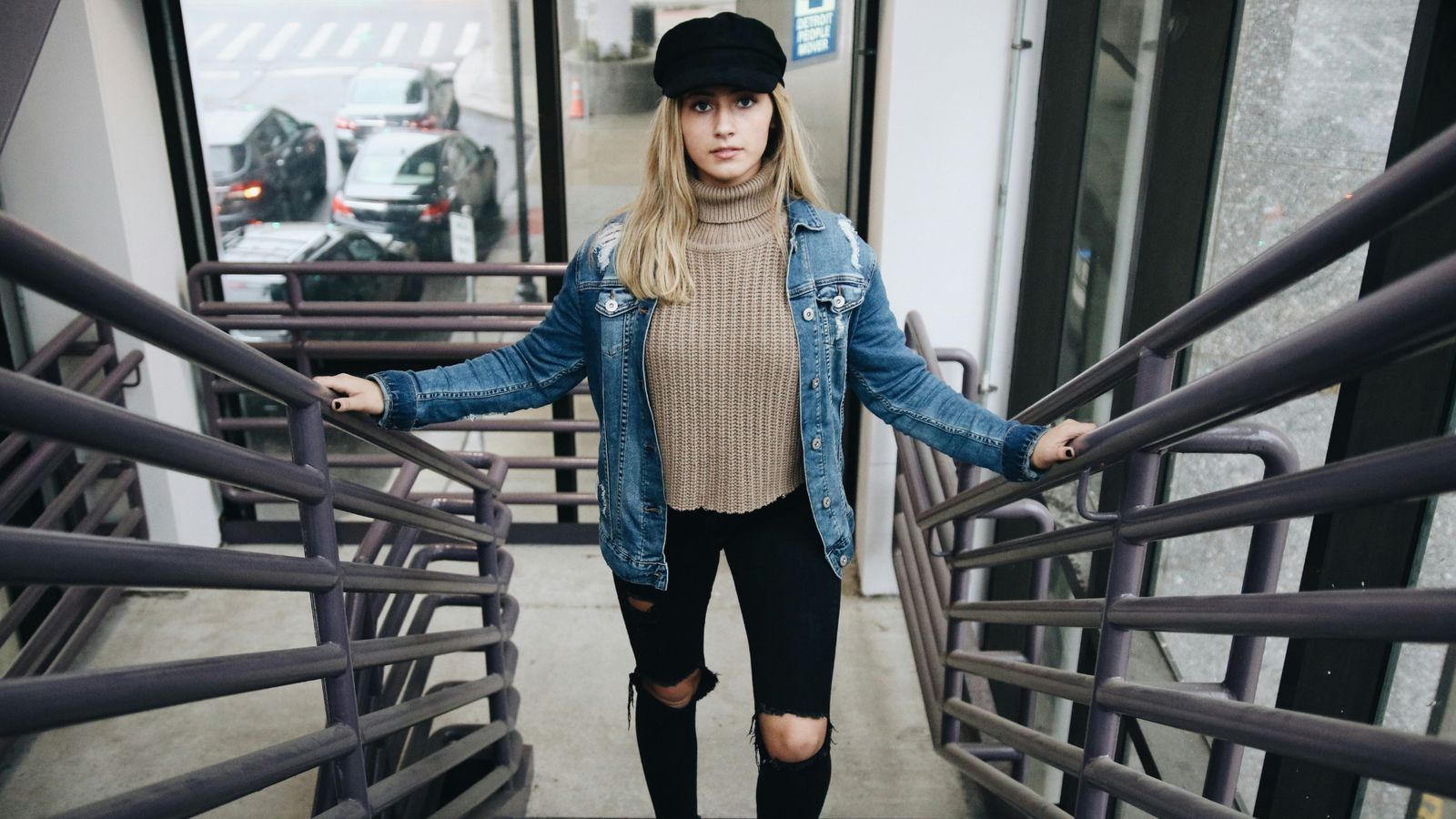
Jeans are a wardrobe staple, but not all styles flatter every body type. Wearing the wrong cut can shorten your legs, emphasize problem areas, or look unbalanced.
This guide will help you choose the perfect jeans for your body type, with tips for men and women, and how to style them for a polished, modern look.
Before choosing jeans, identify your body type.
Rectangle with Muscular Build: Thick thighs & calves
Rise is the distance from crotch to waistband. It affects waistline and proportion.
High-rise: For taller men or to elongate legs visually
Tapered: Narrow ankle, modern style.
Stretch improves comfort and avoids sagging over time.
Avoid overly distressed jeans if you want a polished look.
Proper length enhances proportion and prevents “short leg” effect.
Oval: Mid-rise relaxed fit, dark color for slimming effect.
Jackets: cropped or tailored blazers to complement silhouette.
❌ Too tight or sagging
❌ Wrong rise for your body type
❌ Jeans that are too long or short
❌ Heavy distressing on fuller body types
The perfect jeans depend on body type, rise, fit, wash, and styling. By understanding your shape and choosing wisely, you can create outfits that are comfortable, flattering, and stylish every day.Investing in versatile, well-fitted denim ensures a long-lasting wardrobe staple that works for casual, office, or weekend looks.
Body shape and rise get most of the attention in denim shopping, but fabric weight changes how any given cut actually behaves on your body. Heavier, rigid denim holds its shape throughout the day and tends to look more structured, which flatters straighter silhouettes and helps balance a fuller midsection by not clinging. Lighter denim with added stretch moves with your body and is more forgiving for curvier hips and thighs, though it can lose shape by the end of the day if the stretch percentage is too high.
A blend with a small amount of elastane, generally in the two to three percent range, tends to offer the best of both worlds: enough recovery to keep its shape wash after wash, without the overly clingy feel of jeans made from a higher stretch percentage.
Darker, uniform washes are consistently the most slimming and versatile option regardless of body type, since they avoid the visual breaks created by fading, whiskering, or contrast stitching. If you love a lighter or distressed wash, look for fading placed at the outer thigh rather than across the front, which tends to widen the visual line of the leg. Vertical fading and minimal contrast stitching both help elongate the leg, which is especially useful for petite frames or anyone who wants a longer, leaner line.
Length is one of the easiest details to get wrong and one of the easiest to fix. Jeans that pool heavily at the ankle shorten the leg line, while a hem that’s too short can cut the leg off visually in the opposite direction. A slight break at the shoe, or a cropped hem that sits right at the ankle bone, tends to be the most universally flattering length across body types. Petite frames generally look best avoiding excess fabric bunching at the ankle, while taller frames have more flexibility to experiment with a fuller break or a longer, floor-grazing hem.
Hemming is inexpensive relative to the cost of the jeans themselves, so it’s almost always worth the small investment to get proportions exactly right rather than settling for an off-the-rack length.
Not all waistbands at the same “rise” label fit the same way. A curved waistband follows your natural waistline and tends to prevent the gapping that straight-cut waistbands can create at the small of the back, which is especially useful for hourglass and pear shapes with a defined waist-to-hip difference. Wider waistbands offer more structure and smoothing for a fuller midsection, while a lower-set traditional rise with belt loops gives rectangle and athletic body types the most classic, versatile silhouette.
Trying the waistband test before buying, sitting down and bending over in the fitting room, reveals gapping or digging issues far more reliably than simply checking the fit while standing still.
Off-the-rack jeans are built for an average proportion that rarely matches everyone exactly, which is where basic tailoring earns its cost back quickly. A simple waist take-in, a taper through the leg, or a proper hem can turn a decent pair of jeans into a genuinely great-fitting one for a relatively small alteration fee. This is particularly worth considering for jeans in a style or wash you love but that fit slightly loose or long straight off the shelf, since minor tailoring is far cheaper than continuing to search for a “perfect” pair that fits without any adjustment at all.
Price differences in denim usually come down to fabric quality, construction detail, and finishing rather than just branding. Premium denim typically uses heavier, higher-quality cotton with better dye consistency and reinforced stitching at stress points like pockets and the inner thigh seam, which shows up as a longer usable life rather than a dramatically different initial fit. Budget denim can still fit well and look great, but tends to show wear, fading, and seam stress sooner, particularly with frequent wear.
If you’ve found a cut and rise that works well for your body type, it’s often worth paying slightly more for that specific style in a higher-quality fabric, since you already know the silhouette works and durability becomes the main remaining variable. Our roundup of fashion brands offering the best discounts is a useful resource for finding better-constructed denim at a lower price point than full retail.
How you wash and dry jeans affects fit almost as much as the initial cut. Washing in cold water and air-drying, or using a low-heat tumble setting, prevents the shrinkage and fiber breakdown that gradually changes how a pair fits over time. Turning jeans inside out before washing also protects the color and any fading detail you specifically chose to flatter your shape, keeping the visual effect intact for much longer than washing them right-side out on a regular cycle.
The right top and shoe pairing can reinforce the flattering effect of a well-chosen pair of jeans. A fitted or tucked-in top balances a wide-leg or bootcut silhouette by defining the waist, while a slightly looser top pairs well with skinny or slim-fit jeans to avoid an overly tight overall look. Heeled boots or shoes elongate the leg line in nearly any cut, while flat shoes paired with a cropped hem keep petite proportions balanced rather than overwhelmed by extra fabric.
Our lean fashion tips guide goes deeper into pairing principles like these across your whole wardrobe, not just denim, and our guide to seasonal fashion trends that actually last more than one year can help you choose a denim silhouette that won’t feel dated a year from now.
Buying a size down expecting stretch denim to loosen with wear is one of the most common mistakes, since most stretch fabrics settle only slightly and a genuinely too-tight pair rarely becomes comfortable. Ignoring the rise in favor of the leg cut alone is another frequent error, since rise affects torso proportion and comfort far more than most shoppers expect before trying a pair on. Finally, shopping only in-store or only online without cross-checking sizing charts against your actual measurements can lead to inconsistent fits across different brands that technically list the “same” size.
If you’re building out several washes and cuts to match your body type across different occasions, it doesn’t need to be an expensive project. Our thrifty sales guide covers several reliable places to find denim markdowns, and pairing that with the sustainable shopping principles in our sustainable fashion and saving money guide can help you build a well-fitting denim collection without paying full price for every pair.
Before committing to a new pair of jeans, run through a short checklist: does the rise sit comfortably without gapping or digging when you sit down, does the wash and fade pattern work with the silhouette you’re going for, is the length right for the shoes you’ll actually wear with them, and does the fabric weight match how structured or relaxed you want the fit to feel. A pair that checks all four boxes is far more likely to become a long-term wardrobe staple than one chosen on trend alone. Browse our full fashion category on Retail Under Cut for more fit-focused style guides.
If you’re shopping for multiple body types in the same household, keep in mind that rise and fabric weight generally matter more than brand name when translating fit advice from one person to another, since two people with different proportions can wear entirely different cuts from the exact same denim line successfully.
Ultimately, the best pair of jeans is the one that fits your actual proportions rather than the size on the label, so don’t hesitate to size up, size down, or mix rise and cut recommendations across different brands until you find the combination that works for you.









Don’t miss a thing! Sign up to get new content sent directly to your inbox.