

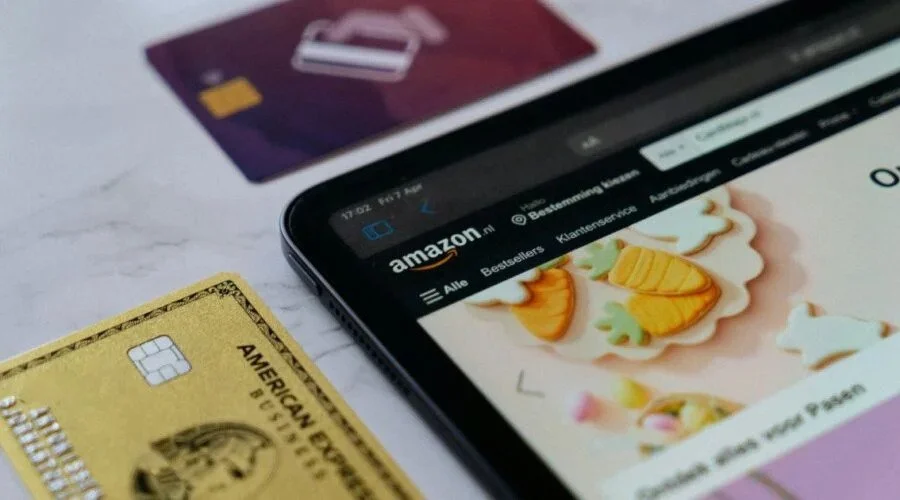
Every time you shop online — whether you are buying groceries from Walmart, booking a flight on Expedia, ordering from Amazon, or subscribing to a streaming service — you face the same quick decision at checkout: credit card or debit card?
For most Americans, this feels like a minor choice. You reach for whichever card is closer, enter the numbers, and move on. But this small decision carries consequences that most people never think about until something goes wrong — until a fraudulent charge appears on their statement, until a merchant dispute leaves them waiting weeks for a refund, or until they realize they have been missing out on hundreds of dollars in rewards every single year.
The truth is that credit cards and debit cards are fundamentally different financial tools, and understanding those differences can save you significant money, protect your finances in ways you may not have considered, and help you build a smarter, more rewarding online shopping habit.
This guide breaks down everything you need to know about using credit versus debit for online purchases in 2026 — the protections, the risks, the rewards, and the situations where each card type genuinely makes more sense than the other.
Before comparing how these cards perform in online shopping situations, it helps to understand what fundamentally separates them as financial instruments.
When you make a purchase with a debit card, money moves directly and immediately out of your checking account. The transaction pulls real dollars from your available balance in real time. Your bank account reflects the charge almost instantly, and that money is gone until a refund is processed — which can take three to five business days or longer depending on the merchant and your bank.
When you make a purchase with a credit card, you are borrowing money from the card issuer to complete the transaction. The card issuer pays the merchant on your behalf, and you repay the card issuer when your statement is due — typically 21 to 25 days after the billing cycle closes. If you pay your full balance by the due date every month, you pay zero interest and effectively receive a free short-term loan on every purchase.
This fundamental structural difference — real money versus borrowed money — is the root of most of the practical differences between using credit and debit for online shopping.
Online fraud is a reality that every American shopper needs to understand. Data breaches at major retailers, phishing attacks, card skimming on compromised websites, and unauthorized account access result in billions of dollars of fraudulent transactions each year in the United States. The question is not whether fraud could happen to you — it is what happens to your money when it does.
This is where the difference between credit and debit becomes critically important, and where credit cards hold a decisive, unambiguous advantage.
Under the Fair Credit Billing Act, your maximum liability for unauthorized credit card charges is capped at $50 — and in practice, virtually every major US credit card issuer provides zero liability protection. This means you pay nothing for fraudulent charges as long as you report them promptly.
When fraud occurs on a credit card, the card issuer investigates and removes the disputed charge from your statement during the investigation. Your money was never at risk in the first place — only borrowed funds from the card issuer.
The Electronic Fund Transfer Act provides some protection for debit card fraud, but the protections are significantly weaker than credit card law — and critically, they are time-sensitive.
If you report debit card fraud within two business days, your maximum liability is $50. Between two and 60 days, it rises to $500. After 60 days, you may be responsible for the entire amount.
More importantly, when debit card fraud occurs, the money has already left your account. Even if your bank refunds it, the process can take days or weeks — potentially disrupting essential payments like rent or bills.
The bottom line is simple: credit cards protect your money better.
Fraud is not the only situation where card choice matters. Sometimes the issue is not theft — it is a bad purchase experience.
Credit cards allow you to file a chargeback if a merchant fails to deliver or refuses a refund. The issuer temporarily credits your account while investigating, and the merchant must prove the charge is valid.
This makes credit cards incredibly powerful for online shopping protection.
Debit disputes exist but are slower and less predictable. You may wait longer for resolution, and outcomes depend more on your bank’s internal policies.
In real-world use, credit cards are simply easier and safer for disputes.
Debit cards offer almost no rewards. Credit cards, on the other hand, provide:
For example, spending $2,000 per month on a 2% cash back card earns about $480 per year — compared to zero with debit.
Over time, this difference becomes thousands of dollars.
However, this only works if you pay your balance in full every month. Interest charges can quickly erase any rewards.
Debit card usage does not affect your credit score.
Credit cards help build your credit profile through:
Responsible usage — paying on time and in full — strengthens your financial future, making it easier to qualify for loans, mortgages, and better interest rates.
Despite the advantages of credit cards, debit cards still have their place.
If you struggle with overspending, debit cards help enforce discipline since you can only spend what you have.
For low-value purchases from trusted merchants, the difference is minimal.
Sometimes banks offer debit-specific rewards or bonuses worth taking advantage of.
No matter which card you use, follow these best practices:
These habits significantly reduce fraud risk.
For most online purchases, credit cards are the better choice.
They offer:
The key is to use them responsibly — never spend more than you can afford and always pay your balance in full.
Debit cards are useful for control and simplicity, but for online shopping — where risks are higher — credit cards provide a clear advantage.
Swipe smarter. Protect your money. Let your spending work for you.
Many credit cards offer rewards programs that return a small percentage of spending as cashback, points, or miles, while debit card rewards programs tend to be less common and generally offer smaller returns. For everyday online purchases where the balance is paid in full each cycle, credit card rewards can effectively function as a small discount on regular spending. It’s worth comparing a card’s specific reward categories against your typical online shopping habits, since a generic flat-rate rewards card may return less value than a category-specific card if a large share of your spending falls into one particular category, like groceries or streaming subscriptions.
Using a credit card for regular online purchases and paying the balance in full each month is one common way people build a credit history over time, since on-time payments and low credit utilization are both factors that influence credit scores. Debit cards, by contrast, don’t typically contribute to credit history at all, since they draw directly from an existing bank balance rather than involving borrowed funds. This is worth considering carefully alongside the interest and debt risk covered below, since building credit only provides a genuine benefit when paired with disciplined, full monthly repayment.
The most important distinction between credit and debit cards for online purchases is that credit card balances not paid in full accrue interest, sometimes at rates that make carrying a balance considerably more expensive over time than the original purchase price. Debit cards don’t carry this risk in the same way, since you’re spending money you already have rather than borrowing it. Anyone considering using a credit card specifically for online purchases should have a clear plan to pay the statement balance in full each cycle, since the fraud protection and rewards advantages of credit cards can be quickly outweighed by accumulated interest charges if balances are carried regularly.
Many banks and card issuers now offer virtual card numbers, temporary or single-use card numbers linked to your actual account, specifically designed for online purchases. Using a virtual number for a one-time purchase or an unfamiliar retailer adds an extra layer of protection, since the actual card number is never directly exposed to that merchant. This feature is worth checking for with your specific card issuer, since it’s available on many credit and some debit accounts but isn’t universal across every bank.
Purchasing from international retailers online can trigger foreign transaction fees on some cards, typically a small percentage of the purchase amount. Checking whether your specific card charges this fee before making frequent international purchases, whether through a foreign online retailer or a currency conversion at checkout, can save a meaningful amount over time if you shop internationally on a regular basis. Some cards, both credit and debit, specifically waive this fee, which is worth prioritizing if international online shopping is a regular habit.
Online subscriptions add up quickly, and the card you use for recurring charges affects how easily you can track and manage them. Many credit card issuers now offer subscription tracking tools directly within their banking app, flagging recurring charges and making it easier to spot subscriptions you’ve forgotten to cancel. Using a single dedicated card for subscriptions, rather than spreading them across multiple cards, also makes it considerably easier to review and audit recurring charges during a periodic budget review.
Regardless of which card type you choose for online shopping, reviewing statements regularly is one of the simplest ways to catch unauthorized charges early, when disputing them is generally easier and faster. Setting up real-time purchase notifications through your bank’s app, rather than waiting for a monthly statement, further reduces the window during which fraudulent charges can go unnoticed.
Many online retailers now offer buy-now-pay-later installment options at checkout, which function similarly to short-term credit but are sometimes marketed separately from traditional credit cards. These plans can be useful for spreading out a larger purchase, but late or missed installment payments can carry their own fees and consequences, so it’s worth reading the specific terms just as carefully as you would a credit card agreement before choosing this option at checkout.
Whichever payment method you choose, comparing prices and looking for legitimate discounts before checkout remains one of the most effective ways to save money on online purchases. Our thrifty sales guide covers several resources worth checking before finalizing an online purchase, regardless of whether you’re paying with credit or debit.
Credit cards generally offer stronger fraud protection, dispute rights, and potential rewards for online purchases, but only deliver a real advantage when balances are paid in full and used responsibly. Debit cards offer simplicity and remove the risk of interest charges, at the cost of weaker protections. Choosing between them comes down to your own spending habits and how confident you are in paying off a credit balance every cycle. Browse our full technology category on Retail Under Cut for more online shopping safety guides. This article is for general informational purposes and isn’t a substitute for personalized financial advice.


Don’t miss a thing! Sign up to get new content sent directly to your inbox.