
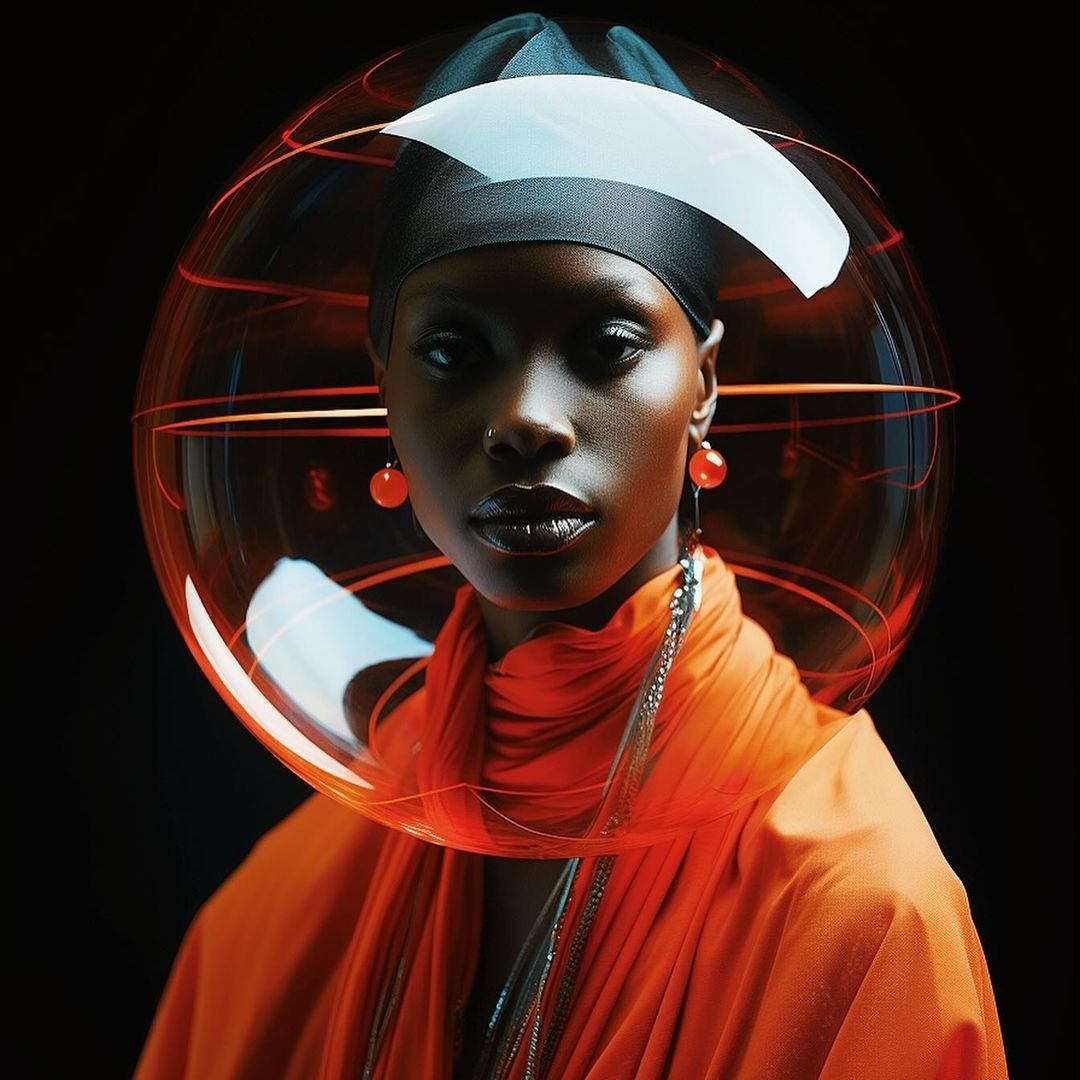
How to find your personal style in 5 steps: it’s a question that sounds like it should have an easy answer, but most people spend years buying clothes that never quite feel like “them.” Personal style isn’t about following the latest trends or copying an influencer’s exact outfit — it’s about identifying the specific combination of colors, silhouettes, and details that consistently make you feel confident and look like yourself. This guide breaks the process into five concrete, doable steps, so you can move from a closet full of stuff to a wardrobe that actually reflects who you are.
Before buying anything new, the fastest way to understand your existing style patterns is to look honestly at what’s already in your closet — specifically, what you actually reach for versus what hangs there unworn. Pull everything out and sort it into three piles: items you wear regularly and feel great in, items you rarely wear, and items you’ve never worn or wear reluctantly. The first pile is the most valuable data you have. Look for patterns: are these pieces mostly one color family? A particular fit (fitted vs. relaxed)? A specific fabric or texture? These patterns are a far more honest signal of your real personal style than anything you’d guess from scratch, because they’re backed by actual behavior rather than aspiration. Many people discover they gravitate toward the same three or four colors and one or two silhouettes across dozens of pieces, even if their closet looks chaotic and mismatched at first glance.
Start a dedicated folder — a Pinterest board, a phone album, or even a physical folder of torn-out magazine pages — of outfits, individual pieces, and looks that genuinely catch your attention. The key word is genuinely: save what you’re actually drawn to, not what you think you should like or what’s currently trending. After a few weeks of casual collecting, step back and look for the throughlines. Are you consistently drawn to structured tailoring or relaxed, flowing pieces? Bold colors or a muted, neutral palette? Minimalist simplicity or maximalist layering and pattern-mixing? This step works because it removes the pressure of deciding your style in a single sitting — patterns emerge naturally over time when you’re collecting honestly rather than performing a “correct” answer.
Personal style isn’t just about aesthetic preference in the abstract — it has to work on your actual body to feel genuinely good rather than just look good in theory. This means understanding your proportions (where you carry width and length), and more importantly, paying attention to how specific fits and cuts make you feel: confident and comfortable, or self-conscious and fidgety. A high-rise wide-leg trouser might be objectively trendy, but if it doesn’t work for your proportions or simply doesn’t feel like you, it doesn’t belong in your personal style regardless of how popular it is elsewhere. Try on a range of different silhouettes deliberately — fitted vs. relaxed, cropped vs. full-length, structured vs. draped — and take note (literally, if it helps) of which ones you feel best in. This step is often skipped in favor of pure aesthetic inspiration-gathering, but it’s what separates a Pinterest board from an actual wearable personal style.
Color does more work than almost any other style decision, both in terms of how flattering an outfit is and how easily your wardrobe pieces mix and match with each other. Start by identifying your undertone — hold different colored fabrics near your face in natural light and notice which make your skin look brightest and most even, versus which wash you out. Cooler undertones tend to suit jewel tones, true blues, and cool grays; warmer undertones tend to suit warm neutrals, olive, rust, and cream. From there, narrow down to a core palette of about four to six colors that both flatter your coloring and appeal to you aesthetically based on the inspiration you collected in Step 2. This doesn’t mean you can never wear anything outside that palette — it means the majority of your wardrobe, especially foundational pieces, should draw from colors that consistently work for you and for each other.
Personal style isn’t discovered in a single decision — it’s refined through actual wearing and real-world feedback over time. Start incorporating what you’ve learned from the first four steps gradually: the next time you shop, choose pieces that align with the patterns, colors, and silhouettes you’ve identified, rather than overhauling your entire wardrobe at once. Pay attention to which new pieces you reach for often and which sit unworn — that ongoing feedback loop is exactly how the audit in Step 1 continues working for you long after you’ve finished this exercise. Give yourself permission to adjust as you learn more; personal style is not a fixed, permanent decision, and it’s normal for it to evolve as your life, body, and preferences change over months and years.
There’s an important distinction between finding a personal style and choosing one off a list, even though the end result can look similar. Choosing a style — deciding “I’m going to be a minimalist” or “I’m going to dress cottagecore” — often means forcing your actual preferences and body into an external template, which tends to feel performative and rarely lasts. Finding a style, through the observational process outlined in these five steps, works in the opposite direction: it starts from evidence about what you already gravitate toward and feel confident in, then builds outward from there. The result tends to be more durable precisely because it’s rooted in your actual behavior and preferences rather than an aspirational label you’re trying to live up to. This is also why personal style found through genuine self-observation tends to survive trend cycles better than a style adopted purely because it was popular or aesthetically appealing in the abstract.
To see how these steps work in combination, imagine someone who, through the closet audit, discovers they consistently wear fitted, structured pieces in black, white, and camel. Their inspiration folder reinforces this, full of minimalist tailoring and clean lines. Trying on different silhouettes confirms that structured blazers and straight-leg trousers feel the most confident on their frame, while oversized, relaxed pieces feel sloppy rather than comfortable. Their color analysis confirms that cool neutrals suit their coloring well. The resulting personal style — a structured, minimalist wardrobe in a tight neutral palette — wasn’t guessed; it was built directly from observed evidence across all five steps. That’s the difference between “finding” a personal style through genuine self-observation and simply picking an aesthetic label off a list and trying to force it to fit.
It’s natural to be drawn to specific celebrities, influencers, or even friends whose style you admire, and there’s real value in studying what makes their look work. The mistake is trying to copy them exactly rather than extracting the underlying principle. If you admire someone’s style, ask what specifically draws you in — is it their color choices, their silhouette preferences, how they mix textures, or their accessorizing habits? Once you identify the specific element, you can adapt it to your own body, coloring, and lifestyle rather than attempting a literal recreation that may not translate well to your circumstances. A style icon with a completely different body type, budget, or daily life than yours can still be genuinely useful inspiration once you extract the transferable principle instead of the surface-level outfit.
Personal style isn’t only expressed through clothing — accessories, grooming choices, and small consistent details often do more to create a recognizable personal style than the garments themselves. A consistent jewelry style (delicate vs. statement), a signature bag shape or color, a particular way of rolling sleeves or tying a scarf, or even a consistent lip color can become as much a part of someone’s recognizable style as their clothing choices. As you work through the five steps above, pay attention to these smaller elements in your inspiration folder and closet audit too — they’re often easier and cheaper to experiment with than full clothing pieces, making them a low-risk way to test ideas before committing to bigger wardrobe changes.
The five-step process above is designed to work entirely on your own, but a one-time consultation with a professional stylist can accelerate the process significantly, particularly for Steps 3 and 4 (body proportions and color analysis), where an experienced outside eye can catch things that are genuinely hard to assess about yourself. This doesn’t need to be an ongoing expense — many stylists offer single-session color analysis or a one-time closet audit and shopping guidance session specifically designed as a starting point rather than an ongoing service. If budget allows and you’ve found the self-guided process frustrating or slow, a single consultation can be a reasonable accelerant rather than a necessity.
| Archetype | Typical Traits | Core Colors |
|---|---|---|
| Classic minimalist | Clean lines, structured fits, little pattern | Black, white, navy, camel |
| Romantic | Soft fabrics, flowing silhouettes, florals | Blush, cream, soft pastels |
| Edgy/streetwear | Oversized fits, layering, statement footwear | Black, gray, one bold accent |
| Bohemian | Relaxed fits, natural fabrics, mixed pattern | Earth tones, rust, olive |
| Preppy/classic | Tailored basics, structured outerwear | Navy, white, red, forest green |
These archetypes are useful shorthand for describing a style, not a rulebook to follow rigidly. Most people’s genuine personal style blends elements from two or three of these categories rather than fitting neatly into just one — and that’s completely normal.
A personal style built during one life stage doesn’t always translate cleanly to the next, and it’s worth normalizing that ahead of time rather than treating a needed style update as a failure of your earlier self-discovery work. A style developed for a college social schedule may need genuine reworking after starting a corporate job; a wardrobe built for a warm climate needs real adjustment after a move somewhere colder; a style honed before a significant body change may need revisiting afterward, not because the earlier style was wrong, but because the underlying inputs (Step 3’s body and comfort factors, in particular) have genuinely changed. Revisiting these five steps periodically — not from scratch, but as a check-in — is a healthy part of maintaining a personal style that continues to feel authentic rather than treating your first answer as permanently fixed.
It’s worth acknowledging that the process of finding personal style can feel uncomfortable while it’s incomplete — you might feel like your current wardrobe doesn’t represent you yet, which can dent confidence in the short term. A few things help during this transitional period: leaning on the pieces from your Step 1 audit that you already know work, rather than waiting until your “new” style is fully built out before dressing with confidence again; giving yourself explicit permission to experiment and get things wrong, since trial and error is how Step 5 actually functions; and remembering that most people around you are far less focused on your outfit choices than you might assume, which takes some of the pressure off early experimentation.
A few common missteps make finding personal style take longer than it needs to. Chasing trends instead of patterns is the most common — buying whatever’s currently popular rather than what actually fits the patterns you’ve identified in your own preferences and behavior means your closet never accumulates a coherent identity. Skipping the body and comfort step (Step 3) leads to a wardrobe that looks right on a mood board but doesn’t actually feel good to wear, which usually means it goes unworn. Being too rigid too early is another issue — treating your very first attempt at defining a personal style as permanent, rather than as a working hypothesis to refine through Step 5, creates unnecessary pressure and can lead to abandoning the whole process out of frustration when early guesses don’t feel quite right.
Once you’ve worked through the five steps, the practical next move is translating what you’ve learned into a concrete, prioritized shopping list rather than trying to overhaul your wardrobe all at once. Start by identifying the biggest gaps between your ideal personal style and your current closet — usually a handful of foundational pieces (a specific color of trouser, a particular jacket silhouette, the right neutral basics) rather than an entire new wardrobe. Prioritize purchases that unlock the most new outfit combinations with your existing pieces, since these give you the fastest return on the work you’ve already done. Resist the urge to buy everything at once; spacing purchases out over a few months, guided by the patterns you’ve identified, tends to produce a more coherent, intentional wardrobe than a single large shopping trip driven by excitement rather than the specific gaps you’ve identified.
There’s no fixed timeline, and that’s by design — this is a process of observation, not a single afternoon project. The closet audit (Step 1) can be done in an hour. Building a genuinely useful inspiration folder (Step 2) benefits from a few weeks of casual, low-pressure collecting. Understanding your body and color palette (Steps 3 and 4) can happen over a single dedicated session, ideally with good natural lighting and a full-length mirror. Step 5, the ongoing testing and refinement, technically never fully “finishes,” since your style will naturally continue evolving — but most people report feeling like they have a genuinely clear sense of their personal style within a few months of intentionally working through these steps, especially if they’re paying attention during regular shopping trips rather than treating this as a one-time exercise.
That’s a completely normal starting point, not a problem. Most people don’t arrive at a clear personal style through instinct alone — it emerges through the observational process described above. Start with Step 1 (the closet audit); even a chaotic-feeling closet usually reveals more consistent patterns than people expect once they actually look for them.
Yes, and it’s expected to. Life changes, body changes, and evolving taste all naturally shift personal style over months and years. The five-step process here isn’t a one-time fix — it’s a framework you can revisit whenever your current wardrobe stops feeling like “you.”
Trends are collective, externally driven, and temporary; personal style is specific to your own body, coloring, and preferences, and tends to be much more stable over time. A genuinely developed personal style might incorporate the occasional trend piece, but it doesn’t depend on trends to feel complete.
No — the process described here is about observation and pattern recognition, not shopping. You can complete Steps 1, 2, and 3 without buying anything at all, and once you understand your style, you can build it out gradually and affordably by shopping intentionally rather than impulsively.
That’s extremely common and completely fine. Most people’s genuine personal style is a blend of elements rather than a single, neatly labeled aesthetic. The goal of this process is a wardrobe that feels like you, not a wardrobe that fits a marketing category.
It’s better to extract the underlying principle — their color choices, silhouette preferences, or styling habits — and adapt it to your own body, coloring, and lifestyle rather than recreating their exact outfits, which may not translate well given differences in body type, climate, or daily activities.
It can meaningfully speed up the process, particularly for body proportion and color analysis, which are genuinely hard to assess accurately on your own. It’s not required, but a single consultation session can be a reasonable accelerant if you have the budget and have found the self-guided process slow or frustrating.
Finding your personal style comes down to five steps: audit what you already wear, collect inspiration and look for genuine patterns, understand what actually feels confident on your body, identify a core color palette, and then test and refine gradually rather than overhauling everything at once. This process takes patience, but it produces something far more durable than chasing trends ever will — a wardrobe that consistently feels like you, regardless of what’s currently popular. For more on translating this into practical everyday choices, see our guide on what type of clothes you should wear, and if you’re building out a travel-specific capsule, our guide on what to wear in Paris in summer shows these same principles applied to a real-world packing scenario.
Don’t miss a thing! Sign up to get new content sent directly to your inbox.