

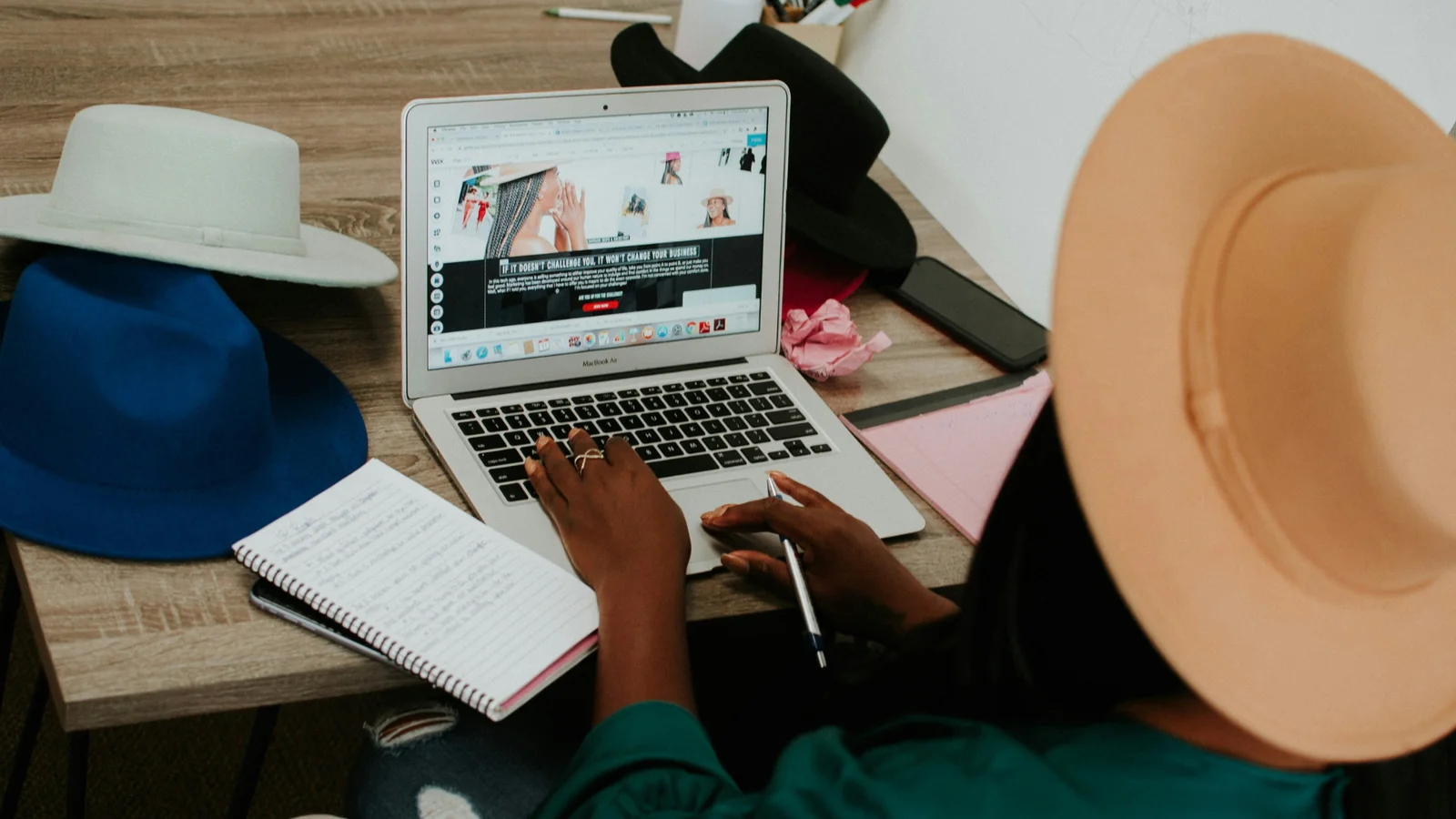
The way Americans work has changed forever. In 2026, millions of people across the United States are running successful freelance careers and location-independent businesses from coffee shops in Austin, co-working spaces in Miami, mountain towns in Colorado, and beach destinations around the world.
But here is something that most people do not talk about when they dream about the freelance lifestyle — the tools you use determine everything. Your income, your productivity, your stress levels, your client relationships, and your financial stability all depend heavily on whether you have the right systems in place.
The wrong tools slow you down, create confusion, drain your energy, and cost you money. The right tools automate repetitive tasks, protect your income, keep your clients happy, and give you the freedom to actually live the life you set out to build.
This guide covers every must-have tool for freelancers and digital nomads in 2026 — the real ones that working professionals rely on every single day, organized by category so you can identify exactly what you are missing and fill the gaps immediately.
Why Your Tool Stack Is Your Competitive Advantage
When you work for yourself, you are simultaneously the CEO, the accountant, the project manager, the marketing department, and the person actually doing the work. That is an enormous amount of responsibility, and without the right tools supporting each of those roles, you will constantly find yourself overwhelmed, disorganized, and leaving money on the table.
The freelancers and digital nomads who build sustainable, high-income careers are not necessarily the most talented people in their field. They are the ones who work the smartest — who have built systems that handle the administrative, financial, and communication sides of their business efficiently so they can spend the maximum amount of time on the work that actually generates revenue.
Your tool stack is your infrastructure. Just like a traditional business needs equipment and systems, your freelance business depends on a strong digital setup.
The good news is that in 2026, most of the best tools cost very little, and many offer free versions that are more than enough to get started.
Every freelance business depends on strong client relationships, and communication is the foundation of that.
For managing conversations and projects, Slack has become the standard tool in the USA. It allows you to organize discussions by project, share files instantly, and keep a searchable record of everything.
For meetings, Zoom remains the most widely used platform, making it easy to connect with clients without any confusion. For quick explanations without meetings, Loom allows you to record short videos that clients can watch anytime, saving hours of back-and-forth communication.
Sending professional contracts and proposals is equally important. Using digital tools that combine proposals, contracts, and payments in one system saves time and increases trust. These tools also protect you legally and help avoid misunderstandings.
Productivity is not about working more hours but about working efficiently with the right systems.
For managing tasks and projects, Notion is one of the most popular all-in-one tools, allowing freelancers to manage notes, tasks, and planning in a single place. Trello offers a simple visual approach that is easy to use, while Asana provides advanced features for more complex workflows.
Time tracking is essential for freelancers, especially those who charge hourly. Toggl Track is widely used because it provides accurate tracking and detailed reports, while Clockify is a strong free alternative.
Maintaining focus is one of the biggest challenges of remote work. Tools like site blockers and Pomodoro timers help you stay productive, reduce distractions, and get more done in less time.
Managing money is one of the most important parts of freelancing, yet many people struggle with it.
For invoicing and payments, Wave is a great free option that covers invoicing and basic accounting, while FreshBooks provides more advanced features including expense tracking and financial reporting.
Freelancers should also set up reliable payment platforms such as PayPal, Stripe, and Wise to handle both local and international transactions smoothly.
For taxes and accounting, QuickBooks Self-Employed helps track expenses, calculate taxes, and keep everything organized. Having a separate business bank account is essential to avoid confusion and maintain professionalism.
Digital nomads face unique challenges like public WiFi risks and unreliable internet.
Using a VPN is essential for security. Services like ExpressVPN and NordVPN protect your data and allow access to restricted content when working from different countries.
Cloud storage is equally important. Google Drive allows easy file access and sharing, while Dropbox provides reliable syncing. Apple users can benefit from iCloud for seamless integration across devices.
Having the right physical tech also matters. A reliable laptop, portable WiFi device, noise-canceling headphones, and a travel adapter can make a huge difference in productivity and comfort while working remotely.
No freelancer can succeed without a steady flow of clients.
A professional website is essential for building credibility. Platforms like WordPress, Wix, and Squarespace make it easy to create a portfolio even without technical skills.
For networking and client acquisition, LinkedIn remains one of the most powerful platforms in the USA.
Email marketing is another powerful tool. Mailchimp is beginner-friendly, while ConvertKit offers more advanced features for growing your audience and maintaining long-term client relationships.
Starting with too many tools at once can be overwhelming. It is better to begin with the essentials that directly impact your income and workflow.
Focus first on invoicing, contracts, task management, and time tracking. Once those are in place, you can gradually add tools for productivity, marketing, and automation.
The goal is not to use every tool available but to build a simple and efficient system that supports your work.
The freelance economy in the United States is more competitive than ever. Success requires more than just skill — it requires the right systems and tools.
The tools mentioned in this guide are not optional extras. They are the foundation of a professional freelance business.
When used correctly, they save time, reduce stress, improve client relationships, and help you grow faster.
Work smarter, build better systems, and take full advantage of the freedom that freelancing offers.
A laptop built for portability and durability matters more to a digital nomad than one built for raw performance alone, since it needs to survive repeated packing, temperature changes, and long work sessions in less-than-ideal locations. Prioritizing a lightweight chassis, solid battery life, and a durable keyboard over marginal processing power upgrades tends to serve most freelance work, like writing, design, and client communication, better than chasing the highest specs available. Pairing a reliable laptop with a compact, ergonomic setup also protects your body over months of working from cafes, co-working spaces, and hotel desks that weren’t designed with posture in mind.
Freelancers and remote workers who move frequently often neglect ergonomics simply because a proper desk setup feels impractical while traveling. A portable laptop stand, a compact external keyboard, and a lightweight mouse go a long way toward correcting posture issues that build up during long work sessions on unstable surfaces like beds or low coffee tables. If you’re working from a more permanent home base part of the year, our guide on ergonomic mesh office chairs for remote workers and our roundup of essential tech accessories every remote worker needs both cover additional gear worth having available even if it stays in one location rather than traveling with you.
Reliable internet access is the single biggest variable in a digital nomad’s ability to work consistently, which makes a portable Wi-Fi hotspot or a local SIM card with a solid data plan one of the most important tools to sort out early in any trip. A VPN is equally important for security reasons, particularly when working from public Wi-Fi networks in cafes, airports, and co-working spaces, since these networks are far more vulnerable to data interception than a private home connection. Choosing a VPN with strong encryption and a proven no-logging policy protects both your own data and any sensitive client information you handle while traveling.
Working across multiple time zones, whether with international clients or while traveling through different regions yourself, makes a dedicated time zone conversion and scheduling tool essential rather than optional. Shared calendar tools that automatically display meeting times in each participant’s local time zone prevent the common and costly mistake of showing up an hour early or late to an important client call. Building buffer time into your schedule around travel days, when time zone changes and unpredictable transit can disrupt even well-planned days, also helps maintain client relationships and deadlines despite a location that changes regularly.
Beyond a VPN, a password manager and two-factor authentication across your most important accounts, banking, email, and client platforms, provide a meaningful layer of protection against the increased exposure that comes with frequently connecting to unfamiliar networks. Regularly backing up client work to cloud storage, rather than relying solely on a single laptop’s local storage, also protects against the very real risk of device theft or damage while traveling, which could otherwise mean losing both your work and your primary income-generating tool at the same time.
The irregular schedules and constant environment changes that come with a nomadic lifestyle can make it difficult to maintain consistent health habits, which directly affects work quality and energy levels. Compact, portable fitness equipment makes it easier to maintain some form of regular movement regardless of location, and our guide on home gym equipment on a budget covers several options compact enough to travel with. Our guide on supplements you should actually take and why is also worth reading if you’re trying to maintain consistent nutrition despite frequently changing food availability and routines.
Unlike vacation travel, working while traveling means your luggage needs to accommodate a laptop, chargers, and other work equipment alongside your regular belongings. Our roundup of lightweight luggage for international travel and our guide to TSA-approved carry-on luggage both cover bags with the kind of padded, organized compartments that protect electronics during frequent transit. Since work trips and personal travel both carry financial risk if something goes wrong, our guide on travel insurance plans for international trips is worth reviewing specifically for coverage that includes lost or damaged equipment, which matters more for a working traveler than for typical vacation coverage.
Digital nomads booking accommodations and flights repeatedly throughout the year benefit disproportionately from loyalty programs and smart platform choices compared to occasional vacationers. Our guide to best travel booking sites covers platforms worth prioritizing if travel is a near-constant part of your working life rather than an occasional trip.
Many of the software and hardware tools covered in this guide offer discounts for annual billing, and hardware purchases benefit from the same seasonal sales patterns as other tech gear. Our thrifty sales guide is worth checking regularly before committing to a full-price purchase on any of the tools mentioned here.
The right combination of hardware, connectivity, and security tools makes it realistic to run a freelance business from almost anywhere, but it takes some upfront research and investment to build a setup that’s actually reliable rather than improvised trip by trip. Browse our full technology category on Retail Under Cut for more remote work and productivity guides.


Don’t miss a thing! Sign up to get new content sent directly to your inbox.